
Escontria chiotilla
Escontria chiotilla
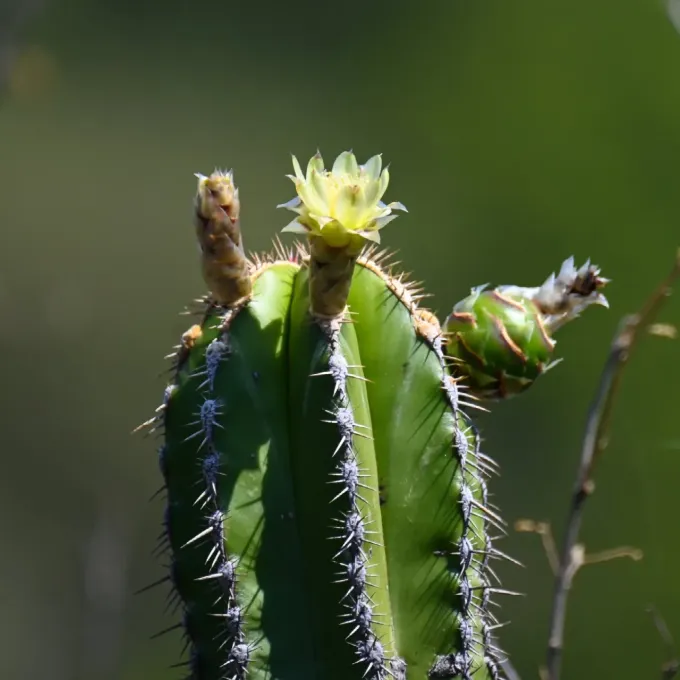
Description
Sowing dates
Propagation of Escontria chiotilla is typically performed through seeds or stem cuttings. Seeds should be sown in a well-draining, sandy substrate while maintaining a constant temperature of approximately 25 degrees Celsius.
High air humidity is essential for germination, but the substrate must not be waterlogged to prevent seed rot. Sowing is usually planned for the spring season when the daylight hours begin to increase significantly.
For cuttings, it is crucial to allow the cut surface to dry for several days until a callus forms. Only after this step should the cuttings be placed into a dry substrate to initiate root development in warm, bright conditions.
Transplanting young plants to their permanent location should occur only after they have become sufficiently established. In their native Mexico, planting often aligns with the onset of the rainy season to facilitate natural root adaptation.
Planting density must account for the plant's potential height of up to 7 meters. Maintaining a distance of at least 3 to 4 meters between individual plants is necessary to ensure proper airflow and prevent disease spread.
Growing requirements
Escontria chiotilla is a member of the Cactaceae family, native to the semi-arid regions of Mexico. It is highly adapted to intense direct sunlight and thrives in environments with high daytime temperatures.
The culture requires soils with excellent drainage properties, such as stony or sandy types. Water stagnation is extremely detrimental, leading almost immediately to the development of root rots and tissue decay.
A frost-free climate is a critical requirement for this species. Even brief exposure to temperatures below zero can cause severe damage or death to the plant, especially in younger specimens.
Agrotechnology involves minimal watering during the active growth period and almost complete dryness during the colder months. Excess fertilization with organic matter should be avoided to prevent weak and rapid stem growth.
The plant features a distinct tree-like habit with a central trunk and multiple branches. Ensuring good ventilation around the canopy is essential to minimize the risk of fungal infections in the cactus tissue.
Yield
The primary economic product of Escontria chiotilla is its edible fruit, known as "chiotilla". These fruits are globular, covered in small scales, and turn a dark purple or maroon color when fully ripe.
The fruit pulp is juicy, sweet, and contains many small seeds. They are consumed fresh or used in the preparation of refreshing beverages, jams, and desserts, making them a valued local food source.
The yield of a mature tree can be substantial under proper management. Productivity is directly linked to water availability during the flowering and fruit-setting stages, as well as the intensity of sunlight.
Harvesting is performed manually as the fruits reach maturity. Care must be taken during the process due to the presence of sharp spines on the stems, which can impede access to the fruit and complicate mechanical harvesting.
Beyond its edible utility, the plant is sometimes utilized for its structural qualities as a natural living fence in arid landscapes, providing additional value to farmers in regions where it is cultivated.
Main diseases and pests
The main threats to Escontria chiotilla include excessive soil moisture and fungal pathogens that manifest as stem spots or tissue rot. Prevention requires maintaining dry conditions around the root collar.
Pests, particularly mealybugs and spider mites, can feed on the sap of young stems. Control methods include the application of appropriate insecticides or mechanical cleaning of the affected areas.
Root rot is the most frequent cause of plant mortality, often resulting from improper substrate selection or excessive irrigation. Regular inspection of the soil condition is vital for long-term survival.
The plant may also be affected by various wood-boring insects whose larvae feed on cactus tissue. These injuries often serve as entry points for secondary bacterial infections, further weakening the plant.
Timely sanitary pruning of damaged or infected branches is recommended to prevent the spread of diseases throughout the plant. Good hygiene in the plantation significantly enhances overall crop health and longevity.