
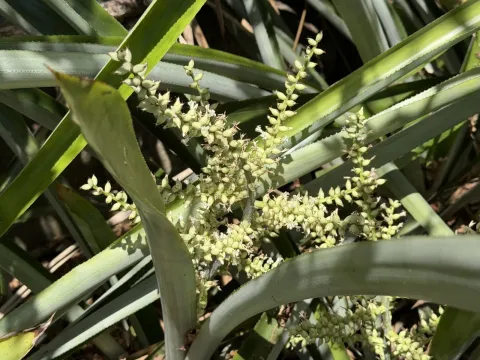
Wittmackia
Wittmackia
Wittmackia is a genus of flowering plants belonging to the Bromeliaceae family. Native to the tropical regions of Central and South America, these plants are well-adapted to humid forest environments where they thrive either as epiphytes or lithophytes, depending on the specific species.
What the section contains

Wittmackia
The botanical architecture of Wittmackia is defined by a dense, rosette-forming leaf habit. This structure is essential for survival in the wild, as it functions as a biological tank, collecting rainwater and debris which is then absorbed by specialized trichomes located on the leaf surface.
Cultivation of Wittmackia requires a climate that mimics tropical conditions. The ideal temperature range is between 20°C and 25°C. Exposure to frost must be avoided entirely, as the plant is sensitive to low temperatures and can suffer tissue damage even at mild chilling levels.
Regarding soil requirements, this culture demands a well-aerated, loose substrate. A mixture consisting of pine bark, peat moss, perlite, and charcoal is recommended. This composition ensures that the roots have access to oxygen while maintaining the necessary moisture retention.
Light management is crucial for the health and color intensity of the foliage. While Wittmackia prefers bright light, it should be filtered to avoid direct sun exposure, which can scorch the leaves. Proper air circulation around the plants is also vital to prevent moisture-related issues.
The primary pests affecting Wittmackia include mealybugs, scale insects, and spider mites. These pests thrive in indoor conditions, particularly when the ambient air is dry. Consistent monitoring and the use of insecticidal soap or neem oil are effective control strategies.
Root rot and crown rot represent the most significant threats to the long-term survival of the plant. These conditions are almost exclusively caused by overwatering and poor drainage. Ensuring that the central rosette remains clean and not permanently waterlogged is essential for disease prevention.