
Wittmackia burle-marxii
Wittmackia burle-marxii
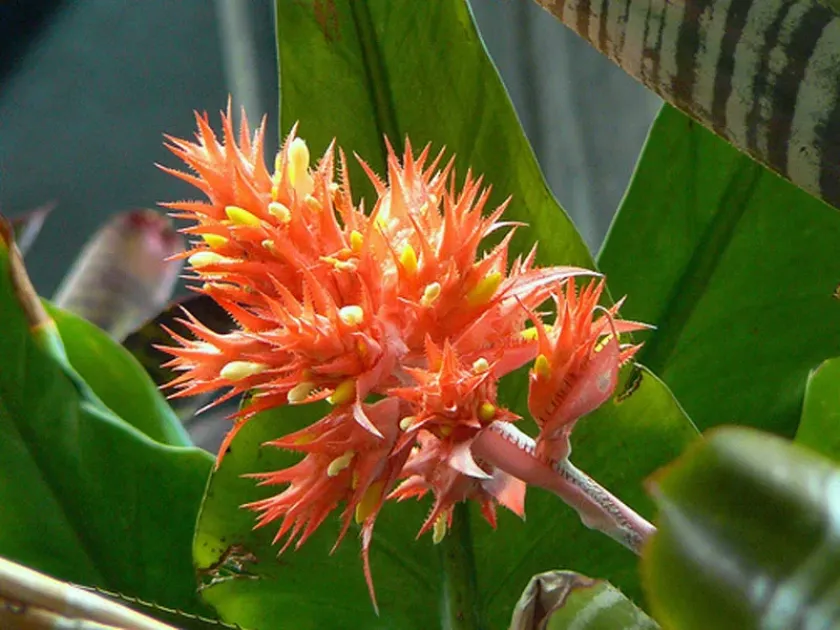
Description
Growing requirements
Wittmackia burle-marxii is a distinguished member of the Bromeliaceae family, originating from the tropical habitats of Brazil. It is highly valued in horticulture for its ornamental foliage and unique rosette growth habit that serves as a focal point in indoor gardening.
The plant thrives in stable tropical temperatures, ideally between 20°C and 26°C. It is sensitive to cold drafts and sudden drops in temperature, which can stress the plant and inhibit its metabolic activity, leading to stunted growth.
Soil requirements for this species are specific: it necessitates a well-draining, epiphytic-style substrate. A mix of orchid bark, perlite, and high-quality peat moss ensures the root system receives adequate oxygen while retaining necessary humidity levels.
High relative humidity (60% to 75%) is essential for the health of Wittmackia. Growers should ensure that the central tank of the rosette is kept filled with clean, soft water, replacing it periodically to prevent the accumulation of stagnant debris.
Bright, indirect light is necessary for the plant to maintain its characteristic pigmentation. While it needs ample light for photosynthesis, it must be protected from direct, intense sunlight, which causes severe leaf scorching and irreversible cellular damage.
Main diseases and pests
Scale insects are common pests for Wittmackia, often adhering to the underside of the leaves or deep within the rosette base. Manual removal and the application of neem oil or systemic insecticides are effective measures against these infestations.
Root rot remains the most lethal threat to this species, usually caused by poor drainage or overwatering. Once rot begins to affect the base of the rosette, the plant is difficult to rescue, highlighting the importance of preventative soil management.
Fungal infections, such as leaf spot, are often triggered by stagnant air and excess moisture. Maintaining good airflow and providing adequate space between plants in a collection can significantly reduce the risk of pathogen outbreaks.
Mealybugs can be a persistent problem, especially in greenhouse environments where they hide in leaf axils. Frequent monitoring is crucial, as early detection allows for easy control before the insects multiply and weaken the plant structure.
Nutrient deficiencies, specifically magnesium and iron, can occur if the water quality is poor or the substrate pH is incorrect. Using specialized fertilizers for bromeliads at a diluted concentration is the standard practice for maintaining vigorous growth.