
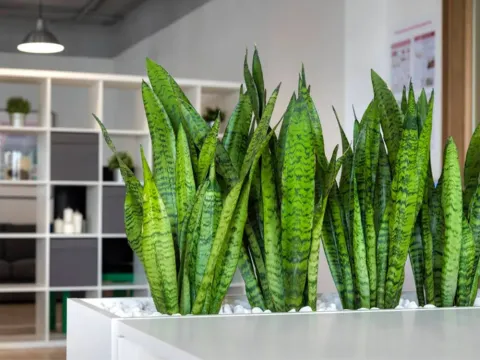
Sansevieria
Sansevieria
Sansevieria is a genus of evergreen rhizomatous perennials belonging to the Asparagaceae family, known for their succulent, fibrous foliage.
What the section contains


Sansevieria
The plant originates from the tropical and subtropical regions of Africa and Asia, thriving in arid environments and well-drained sandy or rocky soils.
Commercial cultivation requires soils with excellent drainage properties to prevent rhizome rot, as the plant is highly sensitive to waterlogged conditions.
The crop prefers full sun to light shade, which is essential for proper development and maximizing the structural strength of the fibers within the leaves.
It performs best in warm climates with temperatures between 18 and 30 degrees Celsius, requiring a dormant period if exposed to cooler weather.
Sansevieria is primarily cultivated as a technical crop for its durable leaf fibers, often referred to as bowstring hemp or African sisal.
These fibers are highly valued in the industry for their resistance to rotting and moisture, making them suitable for marine ropes, nets, and textiles.
The yield of the crop is highly dependent on planting density and soil fertility, particularly the availability of potassium, which supports fiber growth.
Industrial extraction processes typically yield about 3 to 5 percent of high-quality fiber from the total weight of harvested fresh leaves.
Given its perennial nature, Sansevieria offers a sustainable yield, with plants often producing multiple harvests throughout their lifespan.
The most critical threat to Sansevieria crops is root and rhizome rot, which typically occurs due to over-irrigation and poor drainage in the field.
Insect pests, including mealybugs and scale insects, often infest the foliage, causing damage that reduces both fiber quality and plant vigor.
Fungal leaf spot diseases may appear in environments with high humidity and insufficient airflow, requiring strict sanitary controls to manage.
Integrated pest management, including the use of systemic fungicides and proper spacing, is essential for maintaining healthy and productive plantations.
Monitoring for moisture levels and ensuring that the soil dries out sufficiently between irrigation cycles is the primary defense against systemic pathogens.