
Sansevieria hybrid
Sansevieria hybrids
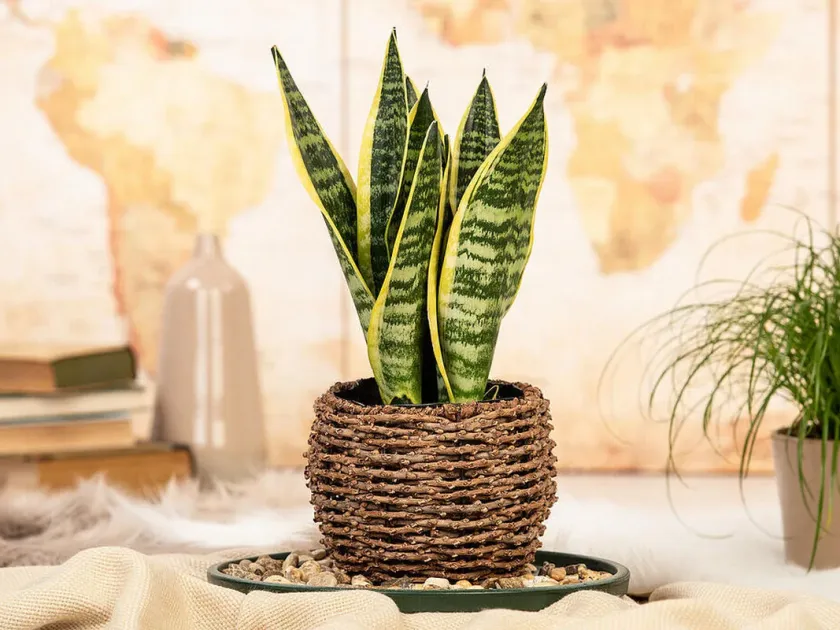
Description
Growing requirements
Sansevieria hybrids belong to the family Asparagaceae, reflecting a lineage of resilient plants native to the arid rocky landscapes of Africa and South Asia. As a crop, they are valued for their structural aesthetics and their ability to thrive in challenging indoor environments.
Botanically, these hybrids are characterized by fibrous root systems and succulent, upright leaves that serve as water reservoirs. The breeding of these plants focuses on optimizing color variations, leaf width, and rosette density, which enhances their commercial appeal.
Climate requirements involve maintaining ambient temperatures between 18 and 27 degrees Celsius. While they can tolerate lower temperatures, they are sensitive to frost, which causes rapid cell death due to the high water content within their specialized leaf tissues.
The substrate must be porous and provide excellent drainage to mimic the rocky, aerated soils of their natural habitat. A mix of peat, bark, and perlite is often utilized to ensure that the root zone remains oxygenated, preventing hypoxia and subsequent decay.
Agrotechnical management requires precise irrigation schedules that emphasize drying cycles. During the active growth season, supplemental fertilization with a low-nitrogen, high-potassium formula supports robust leaf development and structural integrity of the plant.
Main diseases and pests
The most significant threat to Sansevieria hybrids is the development of soft rot caused by Erwinia species or fungi like Rhizoctonia, typically triggered by over-irrigation. Once the base of the rosette is affected, the plant often cannot be saved.
Mealybugs pose a frequent challenge, embedding themselves within the tight crevices where leaves emerge from the base. These sap-sucking insects drain the plant of energy and create conditions conducive to secondary fungal infections.
Environmental stress, such as exposure to cold drafts or improper lighting, weakens the plant's natural defense systems, making it more susceptible to opportunistic pathogens. Monitoring for yellowing or soft spots is essential for early intervention.
Scale insects can also infest the leaves, appearing as small, brown, raised bumps. Mechanical removal, combined with systemic insecticide treatments, is the standard practice for eliminating these pests while preserving the decorative quality of the foliage.
- Ensuring adequate spacing between plants improves airflow and reduces humidity
- Sterilizing equipment used for pruning prevents the transmission of pathogens
- High-quality light prevents etiolation and weak, drooping growth
- Avoid overhead watering to keep leaf surfaces dry and free of fungal spores
- Apply fungicides preventively if humidity levels rise above 60 percent