
Sansevieria eilensis
Sansevieria eilensis
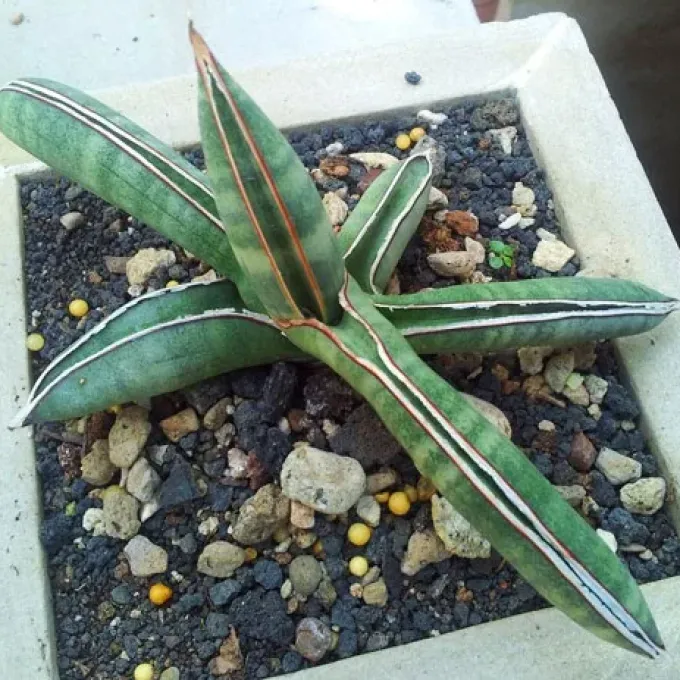
Description
Growing requirements
Sansevieria eilensis is a distinctive succulent species belonging to the Asparagaceae family. Originating from the Eyl region in Somalia, this plant is naturally adapted to harsh, arid environments where it grows in rocky substrates.
The species is characterized by its slow growth rate and cylindrical leaves that exhibit a unique, textured, and slightly furrowed surface. Its blue-green coloration makes it a highly sought-after plant among collectors of rare botanical specimens.
Successful cultivation requires a highly porous and free-draining substrate to ensure that no water sits around the root system. A mixture of pumice, coarse sand, and grit is ideal to mimic the natural geological conditions of its native habitat.
Bright, filtered light is essential for the plant to maintain its structural integrity and leaf coloration. While it can withstand some direct sunlight, it should be acclimatized gradually to avoid tissue damage during peak summer months.
Temperature management is critical: the plant thrives between 20°C and 28°C during the growing season. In winter, it requires a dry dormancy period in cooler conditions, preferably around 15°C, to prevent etiolation and fungal issues.
Main diseases and pests
The primary threat to Sansevieria eilensis is root rot, which typically stems from overwatering or inadequate soil aeration. Once the root system is compromised, the base of the rosette often becomes soft and necrotic.
Mealybugs represent the most common pest threat, often found hidden within the tight crevices of the leaves or at the plant's base. Regular inspection is necessary to manage these pests before they form large colonies.
Fungal infections, including leaf spot diseases, can occur if the foliage remains wet for extended periods in environments with poor air circulation. It is vital to ensure that no water pools in the center of the rosette during irrigation.
Spider mites may occasionally infest the plant in environments with consistently low humidity. Maintaining proper airflow helps mitigate the risk of these pests, though specific miticides may be required for severe infestations.
Sanitation practices are essential for disease prevention; always use sterilized tools when taking cuttings or performing maintenance. If signs of rot appear, immediate repotting and the removal of infected tissue are required for the plant's survival.