
Sansevieria pearsonii
Sansevieria pearsonii
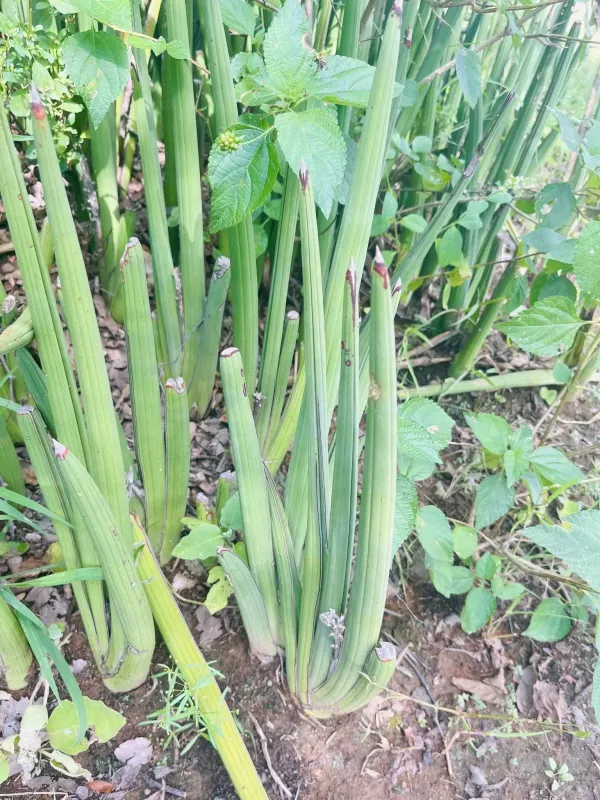
Description
Growing requirements
Sansevieria pearsonii is a succulent perennial belonging to the Asparagaceae family. This species is native to the arid and tropical regions of Southern Africa, where it thrives in harsh environments.
The plant requires a well-draining, gritty soil mix to mimic its natural habitat. A standard potting mix for succulents, supplemented with additional perlite or coarse sand, is ideal for healthy root development.
Regarding light, this species prefers bright, indirect light but can adapt to partial shade. Exposure to intense direct sunlight should be carefully managed to prevent leaf scorching during the peak of summer.
Watering requirements are minimal. The plant should be watered only when the soil has completely dried out, as Sansevieria pearsonii is highly susceptible to root rot caused by prolonged moisture.
The optimal temperature range for growth is between 18 and 28 degrees Celsius. During the dormant winter period, it is important to keep the plant in a cooler, dry location to encourage future growth cycles.
Main diseases and pests
The primary threats to Sansevieria pearsonii are fungal and bacterial infections, which are almost exclusively triggered by overwatering or insufficient air circulation around the root zone.
Mealybugs are a common pest that can infest the plant, hiding in the crevices between leaves. They feed on sap, which causes stunted growth and the yellowing of the leaf tissue.
Spider mites can also become a problem in very dry and stagnant environments. They create fine webbing and cause small, speckled spots on the leaves, leading to aesthetic damage and plant stress.
Control measures include the use of insecticidal soap or horticultural oils for direct contact with pests. Systemic insecticides may be used if an infestation becomes widespread within the crop.
Preventive maintenance involves regular inspection of the leaf bases and keeping the foliage clean from dust, which helps in early detection of potential outbreaks and improves overall plant health.