
Rush-leaved chincherinchee
Ornithogalum juncifolium
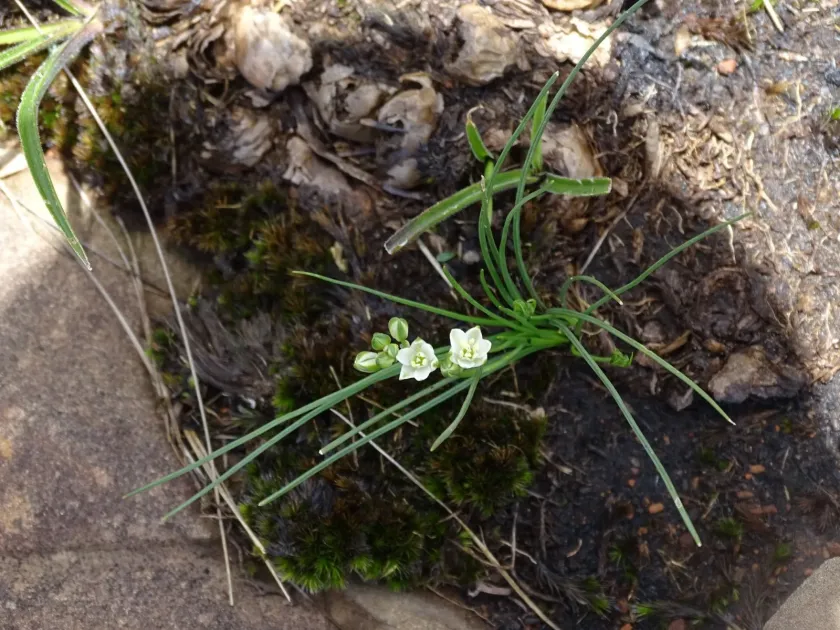
Description
Growing requirements
The rush-leaved chincherinchee (Ornithogalum juncifolium) is a perennial bulbous plant belonging to the Asparagaceae family. Native to the southern regions of Africa, it has adapted to specific environmental conditions, making it a unique species for specialized horticulture.
Botanically, the plant is characterized by its slender, rush-like leaves, which allow for efficient moisture management in its native arid habitats. The inflorescences are composed of small, delicate flowers that present significant ornamental value.
For successful cultivation, excellent soil drainage is non-negotiable. The plant is highly sensitive to waterlogged conditions, which frequently lead to bulb decay. Sandy, well-aerated soils with a neutral pH level are the most suitable for root development.
Sunlight is the primary factor for healthy growth. This species requires a location with full exposure to sunlight to ensure proper photosynthetic activity and the formation of robust flower stalks throughout the active growing season.
Agronomic management requires a distinct rest period. Once the flowering phase concludes, irrigation should be gradually reduced to allow the bulbs to enter dormancy. This natural cycle is essential for maintaining plant vigor and ensuring productivity in the next season.
Main diseases and pests
The primary threats to Ornithogalum juncifolium are fungal pathogens, particularly those responsible for basal rot and Fusarium wilt. These diseases are most prevalent in conditions of poor drainage and excessive humidity, which weaken the plant's immune system.
Pest pressure is mainly exerted by bulb mites and onion flies, which target the storage organs and roots. These pests cause physical damage and create entry points for secondary bacterial infections, complicating the plant's recovery.
Effective management strategies include the chemical treatment of bulbs with fungicides prior to planting. This preventive measure significantly mitigates the risk of soil-borne pathogens establishing themselves within the crop cycle.
Sanitation practices in the field are equally important. By systematically removing infested plants and maintaining clean, weed-free beds, growers can effectively interrupt the lifecycle of pests and reduce the inoculum of common diseases.
Integrated pest management, including the rotation of systemic insecticides, is recommended for larger scale production. Monitoring for early signs of infestation is crucial, as late-stage interventions are often ineffective for bulb-based crops.