
Dichopogon fimbriatus
Dichopogon fimbriatus
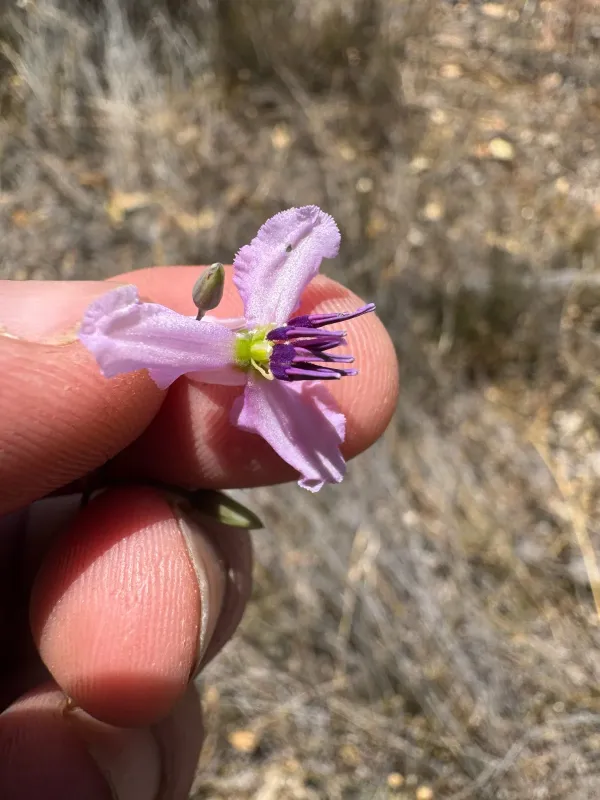
Description
Sowing dates
Sowing of Dichopogon fimbriatus seeds is primarily conducted during the spring period, once the threat of night frosts has passed. For high-quality seedling production, the optimal time is March-April, provided greenhouses or nurseries are used.
The seeds of this crop have decent germination rates but require preliminary stratification for several weeks to stimulate emergence. Sowing is carried out in light, well-drained substrate at a depth of no more than 0.5–1 cm.
In natural conditions, propagation often occurs through self-seeding, but in cultivation, controlled sowing into trays or nursery boxes is preferred. Initial sprouts appear 3–4 weeks after sowing while maintaining a soil temperature in the range of 18–22°C.
Transplanting seedlings to open ground is performed once they reach 8–10 weeks of age. It is essential to provide adequate spacing between plants to avoid the overcrowding typical for tuberous perennials.
When grown for industrial or collection purposes, it is recommended to use substrates with a neutral pH level, ensuring optimal development of the plant's root system.
Growing requirements
Dichopogon fimbriatus, a member of the Asparagaceae family, originates from Australia, which defines its climatic preferences. The crop is light-loving and requires placement in open, well-warmed areas with protection from strong winds.
The plant has moderate soil requirements, preferring sandy or loamy soils with excellent aeration. Water stagnation in the root zone is fatal, making soil drainage a critical success factor.
The temperature regime for successful vegetation should be between 20–25°C. Although the crop can withstand brief drops in temperature, it is sensitive to severe frost, so winter protection is required in regions with harsh climates.
Soil moisture levels should be moderate. During periods of active growth, the plant requires regular but not excessive watering, mimicking the natural conditions of its native Australian woodlands and grasslands.
The plant responds well to the application of complex mineral fertilizers during the budding phase. It is recommended to use formulas with low nitrogen content to avoid excessive vegetative growth at the expense of flowering.
Harvesting
The primary economic use of Dichopogon fimbriatus is in ornamental gardening and floristry. Harvesting inflorescences for bouquets is carried out at the half-bloom stage, ensuring the cut stems remain fresh in a vase for an extended period.
When utilizing the plant as a medicinal or food resource (following indigenous traditions), the harvesting of root tubers is performed at the end of the vegetative period. At this time, the plant accumulates the maximum amount of nutrients.
Careful excavation of the rhizomes is performed manually to avoid damaging the delicate tissues of the tubers. After harvesting, the material is cleaned of soil residues and dried in the shade, ensuring good ventilation to prevent rotting.
For seed propagation, capsules are collected after they have fully ripened and changed color to brown. It is important to collect seeds before they naturally crack open and scatter on the ground.
Post-harvest seed processing includes cleaning from the perianth and storage in dry, cool conditions. Properly prepared seed material retains viability for several years.