
Bloomeria
Bloomeria
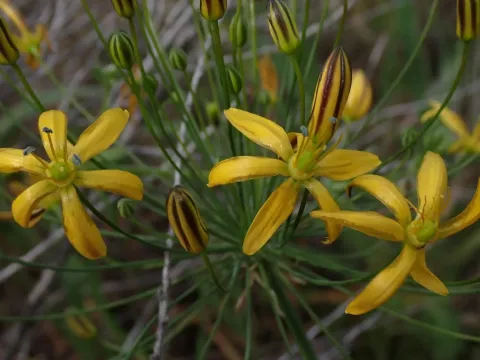
Bloomeria is a genus of perennial bulbous plants belonging to the family Asparagaceae. These plants are prized in ornamental gardening for their delicate, star-shaped flowers that bloom in terminal umbels on slender, upright stems.
What the section contains


Bloomeria
Native to the dry, Mediterranean-climate regions of California, the genus consists of species adapted to a distinct seasonal cycle. They thrive during the cool, moist winter months and undergo a profound dormancy phase during the hot, arid summer.
The agricultural success of Bloomeria depends on soil conditions that mimic its natural habitat. The substrate must be exceptionally well-draining, typically consisting of a sandy or gritty medium that prevents any moisture accumulation around the basal plate of the bulb.
Bloomeria requires full sun exposure to maintain its vigor and produce high-quality inflorescences. Shaded locations result in etiolated growth and a significant reduction in the quantity of florets, making open-field or sunny container placement essential.
Regarding climate, these plants are suited for mild, temperate zones. While they can endure moderate cold, their survival in regions with deep soil freezing is limited, necessitating either protective winter mulching or a transition to protected cultivation methods.
Bulb planting should be scheduled for the autumn months, which allows the root system to establish itself before the spring growth spurt. Proper spacing is crucial to prevent competition and ensure that each bulb has adequate access to nutrients and light.
The harvest or lifting of bulbs is performed once the foliage has completely senesced and dried out. This dormant stage is vital for the bulb's future performance; therefore, keeping them in a cool, dry, and well-ventilated storage area is mandatory.
The primary threats to Bloomeria health are fungal infections associated with poor drainage or high humidity during dormancy. Root rot and fungal pathogens can compromise the entire stock, making preventive measures such as soil sterilization or fungicide treatment common.