
Brimeura fastigiata
Brimeura fastigiata
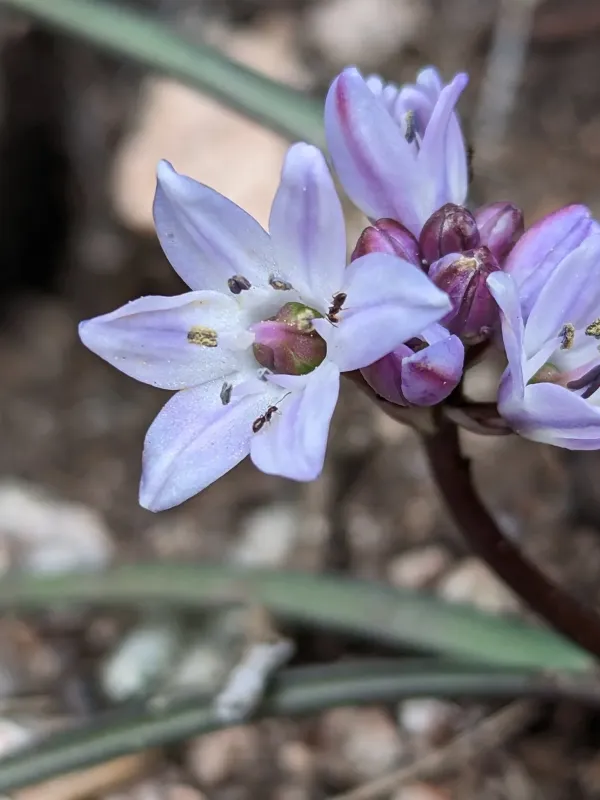
Description
Growing requirements
Brimeura fastigiata is a miniature bulbous plant belonging to the Asparagaceae family. Native to the Balearic Islands, it thrives in rocky, well-drained, and sunny Mediterranean habitats.
The plant requires a site with full sun exposure to perform well. It is essential to ensure that the planting area receives sufficient light to support the development of its delicate, star-shaped inflorescences.
Soil quality is critical for the success of this species. It demands a gritty, light, and sandy substrate with a neutral to slightly alkaline pH. Drainage is paramount, as moisture retention in the bulb zone leads to inevitable rot.
Climatic requirements involve a period of active growth in late winter and spring, followed by a warm, dry dormant season. Providing these seasonal cycles is necessary for the plant to flower reliably in the following year.
Maintenance includes minimal fertilization using low-nitrogen granular feed in early spring. Avoid heavy watering during the dormant period to keep the bulbs healthy and prevent fungal colonization.
Main diseases and pests
Botrytis and various bulb rots are the most common diseases affecting this species, usually triggered by improper moisture management in the substrate. Ensuring good airflow around the foliage is a key preventive measure.
Bulb mites can cause significant damage to the root system, often going unnoticed until the plant shows signs of stunted growth. Periodic inspection of dormant bulbs can help detect early infestations.
Slugs and snails are major pests for young emerging foliage during wet spring weather. Manual removal or baiting is often necessary to prevent significant aesthetic damage to the plant cluster.
Aphids might feed on the succulent flower spikes. While usually not fatal, their presence can weaken the plant and facilitate the transmission of viral diseases within the garden bed.
Prevention is the best strategy for managing these threats. Maintaining strict soil hygiene, avoiding overhead watering, and ensuring the bulbs are planted at the correct depth are essential for long-term survival.