
Brimeura
Brimeura
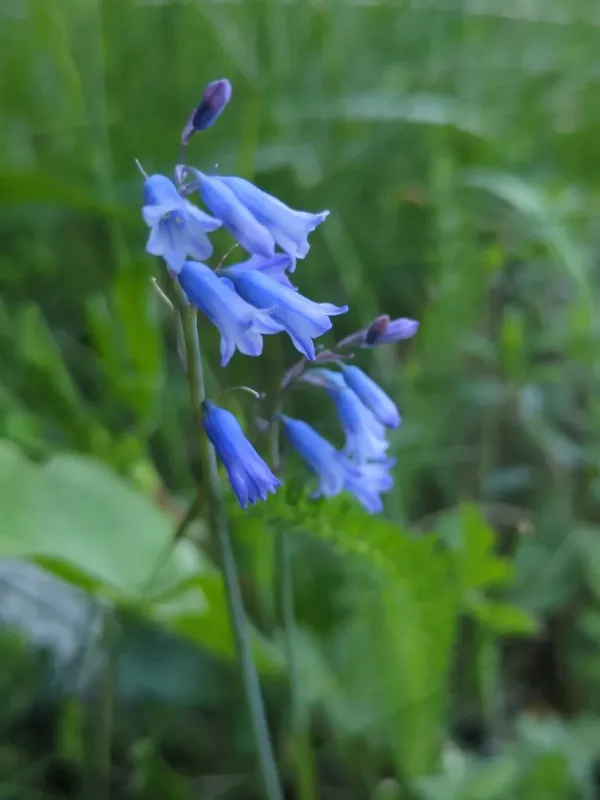
Description
Growing requirements
Brimeura is a genus of small, bulbous perennial plants within the Asparagaceae family. Native to the Mediterranean region, particularly the Balearic Islands and parts of the Iberian Peninsula, these plants are highly valued in ornamental horticulture for their delicate appearance.
Botanically, Brimeura species are characterized by narrow, grass-like leaves and racemes of bell-shaped flowers. The most notable species, Brimeura amethystina, displays striking blue-violet blooms that resemble tiny hyacinths, making it a popular choice for rock gardens.
Regarding cultivation requirements, Brimeura needs a well-draining, gritty soil mix. They thrive in environments that mimic their natural habitat: sunny slopes or well-drained rocky outcrops where water never stands stagnant around the bulbs.
The climate preference leans towards mild temperate zones with distinct seasons. While they are relatively hardy, protection from severe winter moisture is essential to prevent bulb rot. They generally enjoy a sunny position but can tolerate partial shade in hotter climates.
In terms of agricultural techniques, planting should occur during the dormant season. The bulbs should be placed at a depth of 5–8 cm. Minimal fertilization is required; a light application of a balanced slow-release fertilizer during the onset of growth is usually sufficient.
Main diseases and pests
The primary threats to Brimeura are fungal pathogens such as Fusarium and Botrytis, which thrive in damp, stagnant soil conditions. Proper site selection and soil amendment with sand or grit are crucial to mitigating these risks.
Pests such as bulb mites are a persistent challenge. These microscopic organisms burrow into the bulb tissue, weakening the plant and creating entry points for secondary bacterial or fungal infections.
Effective pest management involves treating the soil with systemic insecticides or acaricides if an infestation is detected. It is also recommended to inspect all incoming bulbs for signs of damage or decay before planting.
Viruses can occasionally impact the plant, often transmitted by sap-sucking insects like aphids. Infected plants typically show signs of stunted growth or mottled leaves and should be removed promptly to prevent spread.
Integrated pest management, including weeding and maintaining proper plant spacing to encourage airflow, is the best strategy to keep Brimeura healthy throughout the growing season.