
Bessera
Bessera
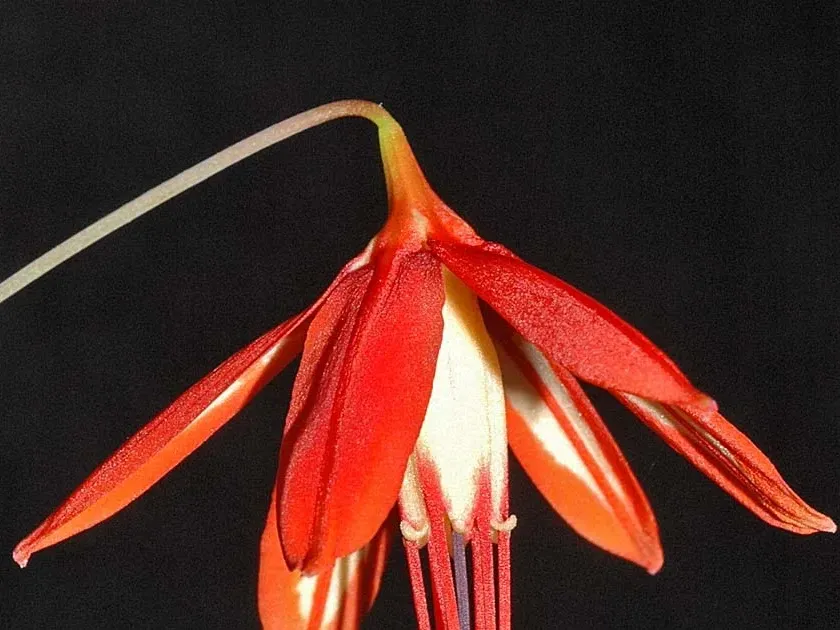
Description
Growing requirements
Bessera is a genus of bulbous perennial plants belonging to the family Asparagaceae. Native to the mountainous regions of Mexico, these plants are well-adapted to environments that experience dry seasons and distinct periods of growth.
Botanically, the plant is characterized by its slender, grass-like leaves and an elegant scape bearing umbels of nodding, bell-shaped flowers. The aesthetic appeal of the plant lies in its vibrant coloration, which makes it a prized specimen for collectors of rare bulbs.
For successful cultivation, Bessera requires a substrate that provides perfect drainage. It thrives in gritty or sandy soil mixes, as waterlogged conditions quickly lead to the decay of the bulb. Providing a raised bed or a container with ample drainage holes is standard practice.
The plant demands high light intensity to flourish, making it ideal for sunny gardens or greenhouses where heat is sufficient. It is frost-tender and cannot survive freezing temperatures, necessitating either indoor cultivation or lifting the bulbs in autumn.
Cultural practices involve maintaining a moderate watering schedule during the active spring and summer months. As the foliage begins to yellow in late summer, watering should be gradually reduced to allow the plant to enter a dormant phase, which is essential for blooming in the following year.
Main diseases and pests
The primary threats to Bessera are fungal pathogens associated with soil moisture, such as basal rot and Fusarium. These diseases often emerge when the bulb is kept in damp, stagnant soil, emphasizing the need for a well-aerated growth medium.
Pests such as spider mites and mealybugs can occasionally infest the foliage, particularly in low-humidity environments. Integrated pest management, including regular inspection and the use of appropriate soaps or insecticides, is necessary to prevent these pests from affecting the plant's overall vitality.