
Bloomeria
Bloomeria hybrids
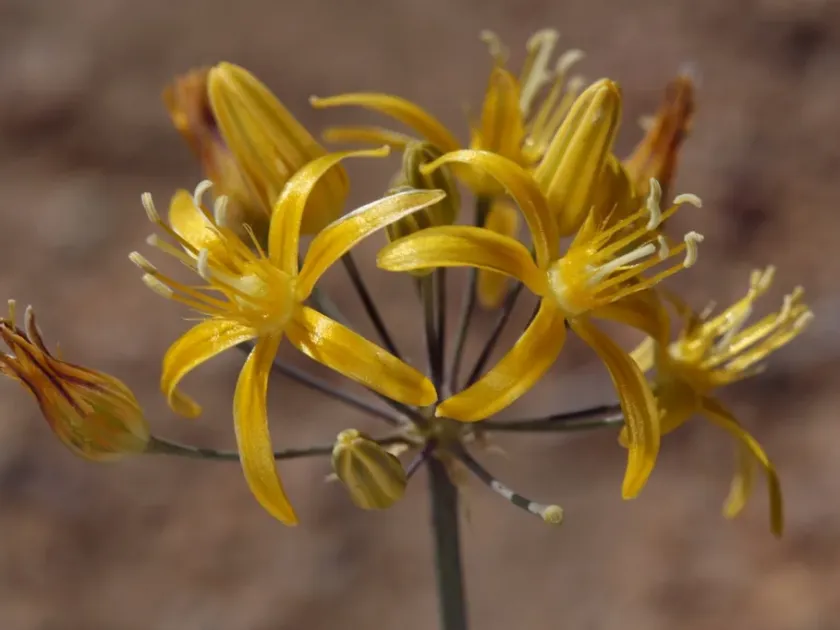
Description
Sowing dates
Planting of Bloomeria hybrid bulbs in open ground is carried out exclusively in the autumn period, as soil temperatures begin to consistently decline.
The optimal time for regions with mild climates is between September and October, allowing bulbs to establish roots before the onset of hard frost.
In colder northern zones, planting should be performed earlier, ensuring the ground is not frozen, as the plant is sensitive to extreme winter conditions.
The planting depth for the bulbs ranges from 5 to 10 centimeters depending on soil composition, with deeper planting recommended for light, sandy soils.
While spring planting is possible, it often results in less abundant flowering, making the autumn development cycle a priority for maximum ornamental impact.
Growing requirements
Bloomeria hybrids belong to the Asparagaceae family and require open, sunny locations where shading by other plants is strictly avoided.
The culture is highly demanding regarding soil structure: it must be light, loose, and possess excellent drainage to prevent moisture stagnation in the root zone.
The plant performs poorly in heavy clay substrates, so incorporating coarse sand or perlite into the planting site is essential for proper development.
During the active growing season, moderate watering is required, whereas during the dormant phase in the hot summer, the soil should be kept nearly dry.
The optimal temperature range for growth is between 15 and 22 degrees Celsius; in regions with severe winters, winter protection using mulch or fir branches is mandatory.
Main diseases and pests
The primary threat to Bloomeria is bulb rot, which is often triggered by soil waterlogging combined with low ambient temperatures.
A common pest affecting the underground parts of the plant is the bulb mite, which can rapidly destroy an entire crop if storage conditions are compromised.
High humidity and poor air circulation can promote fungal diseases such as gray mold, which attacks the foliage and developing flower stalks.
To prevent pest infestation and fungal growth, it is recommended to treat bulbs with broad-spectrum fungicide preparations prior to planting.
Maintaining proper crop rotation and avoiding overcrowding are key strategies to reduce infection risks and ensure the healthy development of the plant population.
Harvesting
Harvesting the bulbs is performed after the aerial parts have completely withered, ensuring that nutrients have migrated into the bulb for the dormancy period.
Once lifted, the planting material must be gently cleaned of soil and air-dried in a shaded, well-ventilated location at a moderate temperature.
Storage should be conducted in dry, ventilated crates, keeping the bulbs away from direct sunlight, which can lead to premature dehydration.
Separation of offsets from parent bulbs should only occur after they are completely dry, preventing mechanical injuries that could lead to subsequent fungal infections.
A high-quality harvest is identified by firm bulb texture, the absence of dark spots on the tunics, and a healthy, intact root neck ready for the next cycle.