
Bithynian squill
Scilla bithynica
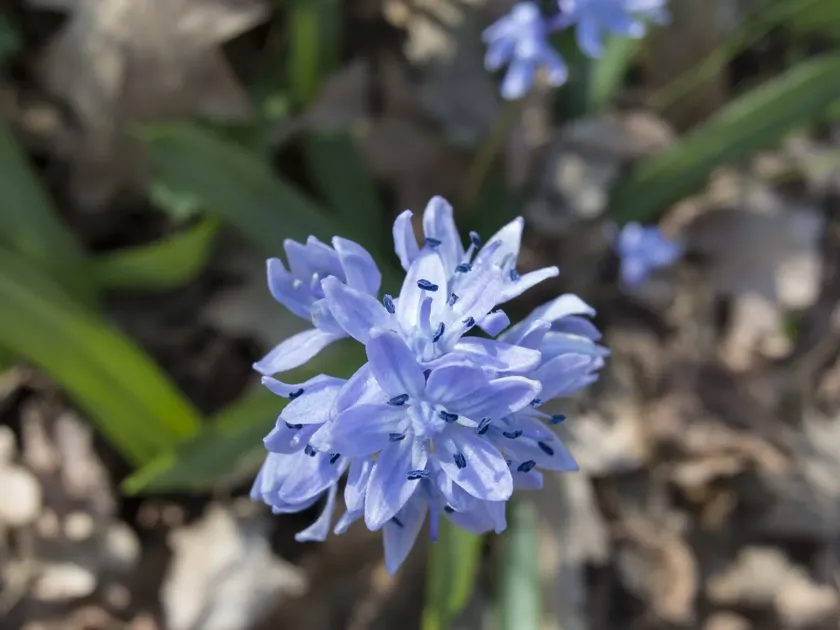
Description
Sowing dates
Bithynian squill is a classic spring ephemeral that requires planting during the autumn season to allow root establishment before the soil freezes.
The ideal planting window is from September to October, ensuring the soil temperature has cooled sufficiently to prevent premature vegetative growth.
Bulbs should be planted at a depth of 8 to 10 centimeters, ensuring they are well-insulated against temperature fluctuations during winter months.
When mass planting for ground cover, spacing should be maintained between 10 and 15 centimeters to allow for natural spread and colony formation.
Applying a layer of dry mulch or leaf compost after planting is recommended to provide extra thermal protection and preserve soil structure.
Growing requirements
This bulbous plant belongs to the Asparagaceae family, known for its resilience and ability to thrive in temperate garden environments.
It prefers well-draining, fertile soils that prevent waterlogging, which is a common cause of bulb rot during the dormant or early growth period.
The plant performs best in light shade or dappled sunlight, mimicking its native habitat in woodland areas and rocky mountain slopes.
The ideal soil should have a near-neutral pH level, and the addition of organic matter during soil preparation can significantly boost vigor.
While hardy and relatively low-maintenance, the plant requires consistent moisture during the active spring growth phase to produce high-quality blooms.
Main diseases and pests
Fungal diseases, including various types of rots, pose the most significant risk when soil drainage is insufficient or ventilation is poor.
Small rodents such as voles may occasionally damage the bulbs, necessitating protective measures if the garden area is prone to pest activity.
Effective management includes inspecting bulbs before planting and discarding any that show signs of soft tissue, discoloration, or mechanical injury.
Providing adequate drainage through sandy soil amendments is the most efficient way to reduce the impact of soil-borne pathogens.
Keeping the planting site clear of excessive weeds reduces competition for nutrients and ensures better air circulation around the developing foliage.