
Bloomeria clevelandii
Bloomeria clevelandii
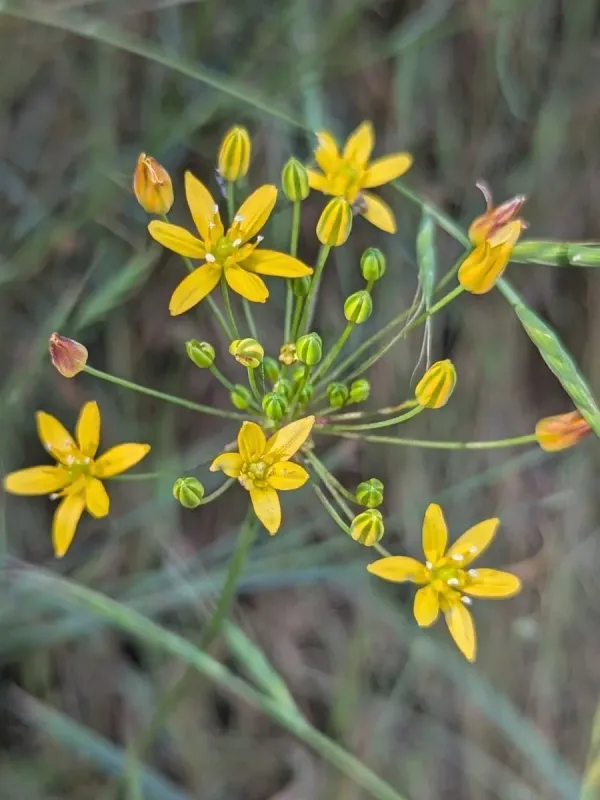
Description
Sowing dates
Planting of Bloomeria clevelandii bulbs in open ground is carried out exclusively in the autumn period, when soil temperatures stabilize at low levels.
In regions with cold climates, it is recommended to use the container method of cultivation, which allows for temperature control during winter dormancy.
The planting depth of the material ranges from 5 to 8 centimeters, which ensures protection of the bulb from temperature fluctuations and desiccation.
An important condition for successful rooting is maintaining a spacing of about 10-15 centimeters between bulbs to prevent overcrowding of the plantings.
After planting, it is advisable to mulch the soil to maintain stable moisture levels and protect against early frosts.
Growing requirements
Bloomeria clevelandii belongs to the Asparagaceae family and is an endemic species of Southern California, which dictates its high solar requirements.
For normal development, the crop requires well-drained, loose soils with a neutral or slightly acidic pH reaction.
The plant reacts extremely negatively to water stagnation in the root zone; therefore, on heavy clay soils, a drainage layer is mandatory.
During the active vegetation period, the crop prefers moderate watering, while during the summer dormancy, the bulbs must remain in dry soil.
Optimal light conditions include direct sunlight in the morning and light shading during peak midday hours.
Main diseases and pests
The primary threat to the bulbs comes from fungal diseases that develop due to excessive moisture and poor soil ventilation.
Root and basal rots are the most common issues, leading to rapid degradation of the planting material during the dormant period.
Among pests, the greatest danger is posed by wireworms and soil fly larvae that damage the base of the bulb and promote secondary infections.
Pre-planting treatment of bulbs with broad-spectrum fungicides and insecticides is recommended for effective pest and disease prevention.
Monitoring the condition of the plantings during the vegetation period allows for timely identification of chlorosis caused by nutrient imbalances.
Harvesting
Harvesting of bulbs is carried out after the complete senescence of the aerial parts of the plant, ensuring nutrients are stored in the bulbs.
It is important to lift the bulbs carefully, trying not to damage the protective scales, as any mechanical injury provides entry points for pathogens.
After lifting, the bulbs must undergo a drying process in a shaded, well-ventilated area at a temperature of 20–22 degrees Celsius.
Cleaned and sorted planting material should be stored in a dry medium, such as peat or sawdust, until the next planting season.
Proper storage regimes guarantee high germination energy and ensure the formation of a full-fledged flower stalk in the next cycle.