
Brimeura amethystina
Brimeura amethystina
Description
Sowing dates
Brimeura amethystina, commonly known as the amethyst hyacinth, is a perennial bulbous plant belonging to the Asparagaceae family. In horticultural practices, propagation is primarily achieved through the planting of bulbs, which is best performed in the autumn months, typically September or October.
The bulbs should be planted at a depth of approximately 8 to 10 centimeters. This depth ensures that the bulbs are adequately protected from early frosts while allowing them to establish a robust root system before entering their winter dormancy period.
Seed propagation is also possible, although it is a significantly slower process. Seeds should be sown in containers or well-prepared garden beds immediately after harvesting or in early spring, often requiring a period of cold stratification to ensure optimal germination rates.
When grown from seed, flowering typically does not occur until the third or fourth year of development. Consequently, this method is usually reserved for breeding purposes or when a large quantity of plants is needed for extensive landscape projects.
Division of bulb clusters is recommended every four to five years after the foliage has withered. This practice promotes plant rejuvenation, prevents overcrowding, and ensures the continued high-quality performance of the flower displays.
Growing requirements
Brimeura amethystina thrives in sunny locations but is also adaptable to light, dappled shade. It is important to select a site that provides protection from strong, drying winds, which can easily damage the delicate floral stems during the peak blooming season.
The ideal soil for this species is well-draining, fertile, and light, such as sandy loam or loose garden soil with a neutral to slightly alkaline pH. Proper aeration of the soil is essential for the healthy development of the bulbous root structure.
The plant is highly sensitive to waterlogged conditions, which can lead to bulb decay. In areas with heavy clay soils, it is critical to incorporate a drainage layer of coarse sand or small gravel into the planting hole to prevent moisture accumulation.
Moderate irrigation is necessary during the active growing season in the spring. However, once the flowering phase is complete and the leaves begin to yellow, it is vital to reduce watering to allow the bulb to enter a proper dormant stage.
Regarding temperature requirements, the plant is relatively hardy; however, in regions with severe winters and little snow cover, applying a layer of organic mulch, such as peat or dried leaves, can provide necessary insulation against deep soil freezing.
Yield
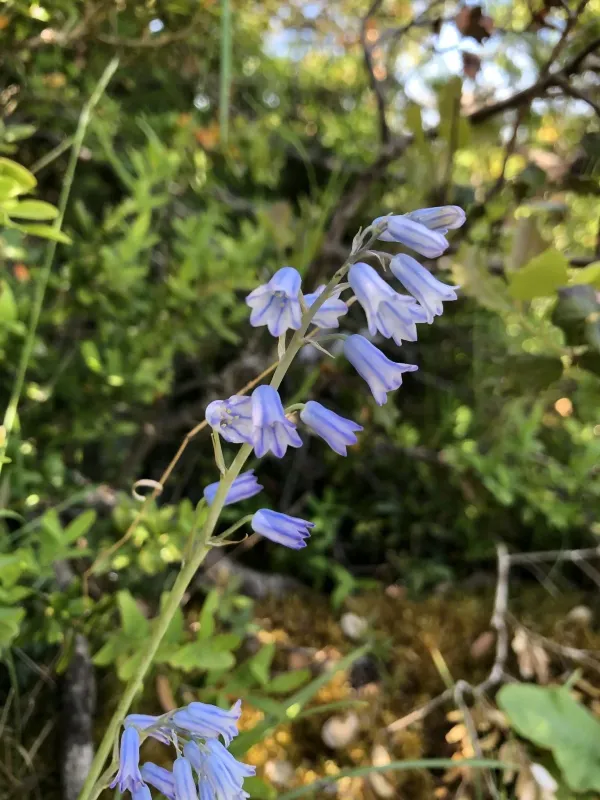
The primary horticultural application of Brimeura amethystina is its use as an ornamental garden plant. It is highly valued for its striking, bell-shaped flowers that display a distinct amethyst-blue hue, arranged in dense, graceful racemes.
Performance in the landscape is measured by the quality and density of the inflorescences, with established plants typically reaching heights of 15 to 30 centimeters. Under favorable conditions, the plants can maintain their aesthetic appeal for many years.
This species is exceptionally well-suited for rock gardens, borders, and naturalized woodland plantings. Its ability to grow in clusters makes it a popular choice for creating carpets of color during the late spring months.
Brimeura can also be successfully cultivated as a container plant. It adapts well to pot culture, allowing for its use on balconies, patios, or in conservatories, provided that the growing medium is kept fresh and nutrient-rich through periodic fertilization.
The plant's natural tendency to multiply via offsets contributes to its overall productivity. By maintaining optimal growing conditions, gardeners can ensure a consistent increase in plant density, enhancing the visual impact of their flower beds over time.
Main diseases and pests
The most significant threats to the health of Brimeura amethystina are fungal pathogens that thrive in excessively damp soil environments. Gray mold and Fusarium wilt are among the primary concerns, causing rot in the bulb scales and root tissue.
Preventive measures include careful inspection of bulbs prior to planting and the application of fungicides if necessary. Furthermore, maintaining good soil hygiene and practicing crop rotation help to minimize the risk of recurring infections.
Root nematodes and bulb mites represent the main invertebrate threats. These pests feed on the bulb tissues, leading to stunted growth, distorted flower stems, and a general decline in the plant's vitality and flowering capacity.
In outdoor garden settings, small rodents such as voles may pose a risk by consuming the succulent bulbs during the dormant winter months. Utilizing protective wire cages or mesh baskets during planting is an effective strategy to mitigate such losses.
Early identification of stressed plants and the removal of affected individuals along with the surrounding soil are essential sanitary practices. These actions help to contain potential outbreaks and support the long-term health of the entire plant population.