
Bloomeria humilis
Bloomeria humilis
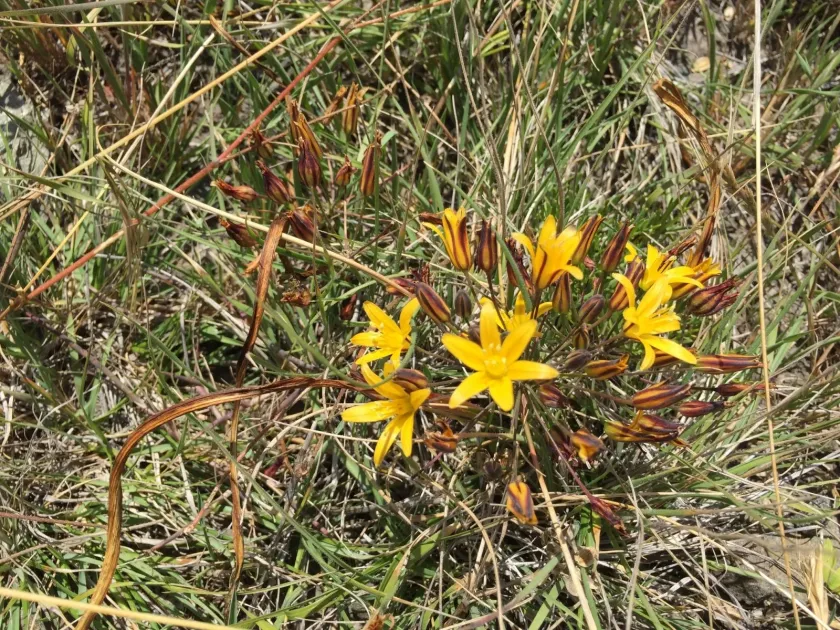
Description
Sowing dates
Bloomeria humilis is a bulbous plant belonging to the Asparagaceae family, native to the coastal regions of California. In agricultural and horticultural practices, bulbs are typically planted in the autumn before the onset of frost to allow for root establishment during the cooler months.
In regions with harsh winters, container cultivation is highly recommended to manage temperature fluctuations effectively. Bulbs should be planted at a depth approximately three times their diameter, which protects them from environmental stress and supports optimal shoot development.
Propagation can be achieved through bulb offsets or seeds. Growing from seeds is a longer process that requires patience, as the plants usually do not reach maturity for several years. Seeds should be sown in a protected environment with controlled temperatures.
The selection of an appropriate planting site is essential, focusing on areas with maximum solar exposure and excellent soil drainage. Avoiding waterlogged areas is critical, as stagnant moisture is the primary cause of bulb failure in this species.
During the active growth phase, consistent but moderate watering is necessary. As the flowering cycle concludes and foliage begins to yellow, watering must be significantly reduced to allow the plant to enter its natural dormancy period.
Growing requirements
This species thrives in light, well-draining, and sandy soils with a neutral or slightly acidic pH. Heavy clay soils that retain water must be amended with grit or perlite to improve drainage and aeration, preventing root rot.
Bloomeria humilis is a sun-loving plant that requires full sun to produce robust flower spikes and healthy bulbs. Shade often results in spindly foliage, reduced vigor, and a failure to bloom effectively in subsequent seasons.
The climate requirements involve moderate temperatures with distinct wet and dry seasons. In domestic gardens or commercial greenhouse settings, maintaining proper ventilation is as important as temperature control to prevent fungal pathogens.
Fertilization should be limited to the active growing season. A balanced, low-nitrogen fertilizer helps promote flower development without causing excessive leaf growth, which can attract pests and weaken the plant's structural integrity.
A dry dormancy phase is mandatory for the health of the bulbs. During this period, the plants should be kept dry to ensure the bulb completes its maturation process and develops the necessary energy reserves for the following season.
Main diseases and pests
The primary threats to Bloomeria humilis include fungal diseases such as Fusarium wilt and basal rot, which are triggered by excessive moisture and poor soil aeration. These conditions can destroy the bulb's root plate rapidly.
Preventative measures include treating bulbs with systemic fungicides prior to planting and ensuring that the growth medium is sterile. Proper hygiene practices, such as removing debris and avoiding overhead watering, are also recommended.
Pests like bulb mites and nematodes pose significant risks to the underground structure of the plant. Infected bulbs often show stunted growth and should be discarded to prevent the spread of the infestation to surrounding healthy plants.
Above-ground pests, such as aphids, may colonize the flower stems during the spring. Early detection via regular monitoring allows for the use of soft soaps or selective insecticides, minimizing the impact on the plant's aesthetic and physiological health.
Effective pest and disease management is based on a clean-cultivation strategy. Rotating the planting areas and utilizing pots for different bulb batches helps in maintaining a healthy environment and prevents the build-up of soil-borne pathogens.