
Brimeura
Brimeura hybrids
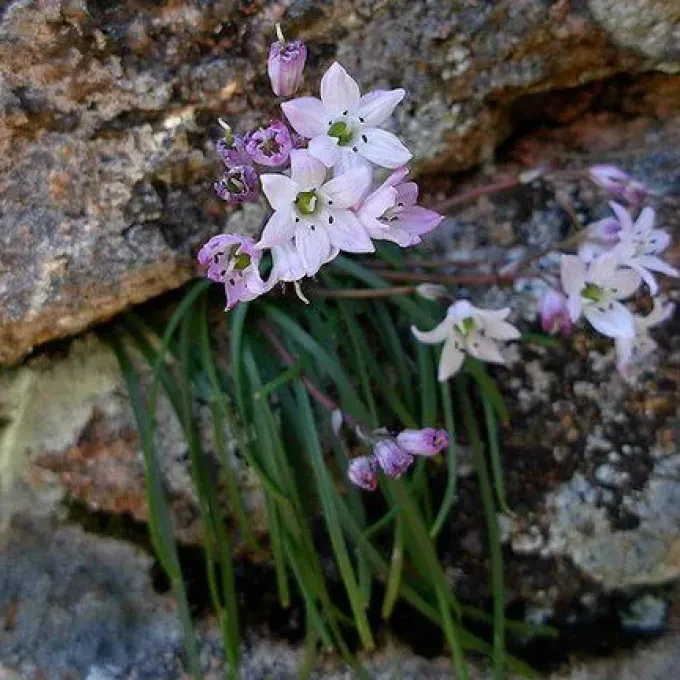
Description
Sowing dates
Planting of Brimeura bulbs is best performed in the autumn season, specifically from September to early October. This timing ensures that the roots establish themselves before the onset of deep winter, allowing the plant to gain strength for spring growth.
If propagating via seeds, sow them immediately after harvesting in cold frames. Seeds require a natural cycle of low temperatures (stratification) to break dormancy, ensuring a high germination rate when the warmth of spring arrives.
The bulbs should be planted at a depth of approximately 5–8 centimeters. Ensuring correct depth is vital for protecting the plant from erratic temperature fluctuations and frost heave during the winter months.
For optimal establishment, incorporate a layer of grit or coarse sand at the bottom of the planting hole. This practice prevents direct contact between the bulb and moisture-retaining soil, effectively minimizing the risk of winter rot.
Space the bulbs roughly 10–12 centimeters apart to allow for proper air circulation. Sufficient spacing reduces the humidity around the foliage, which is a critical factor in preventing the development of fungal pathogens during the growing season.
Growing requirements
Brimeura, a member of the Asparagaceae family, is a delicate bulbous perennial native to the mountainous regions of Southern Europe. It thrives in conditions that mimic its wild habitat, which typically includes rocky and well-drained slopes.
The plant performs best in a location that receives full sun to light partial shade. While it appreciates morning sun, protecting it from intense midday heat helps extend the bloom period and prevents the premature yellowing of the foliage.
Soil quality is paramount for Brimeura cultivation. It demands a substrate with excellent drainage; heavy clay soils must be amended with organic matter and inorganic material like perlite or small stone fragments to create an open, airy structure.
Regarding water requirements, the plant prefers consistent but moderate moisture during its active growth phase. It is essential to ensure that the soil remains moist but never saturated, as waterlogged conditions are highly detrimental to the bulbs.
During the dormant period, Brimeura requires dry conditions. In regions with high summer rainfall, it is beneficial to provide protection from excess water to allow the bulbs to ripen properly and prepare for the next reproductive cycle.
Main diseases and pests
The most common threats to Brimeura health are fungal infections such as Botrytis and root rot. These are primarily caused by poor drainage and excessive humidity, which lead to the decay of the bulb base and eventual plant failure.
Pests, particularly bulb mites and nematodes, represent significant challenges. They damage the integrity of the bulb, making it susceptible to secondary infections and reducing the overall vigor of the plant over subsequent seasons.
Slugs and snails can cause cosmetic and structural damage by consuming the succulent leaves during the early spring. Monitoring and the use of eco-friendly repellents are recommended to keep these pests away from emerging growth.
Disease prevention starts with careful inspection of bulbs before planting. Any bulbs showing soft spots, discoloration, or signs of mold must be discarded to prevent the introduction of pathogens into the garden soil.
Implementing a proper crop rotation or site maintenance plan is advisable for long-term health. Periodically clearing plant debris and monitoring soil moisture levels helps to maintain a clean environment, reducing the pressure from common soil-borne diseases.