
Saw Palmetto
Serenoa
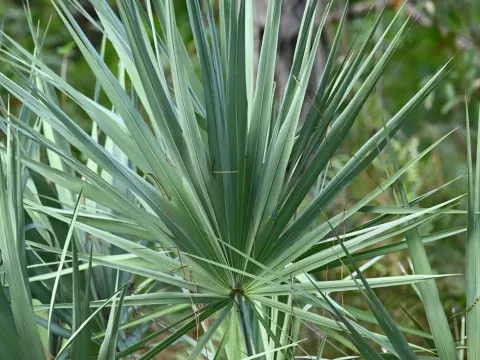
Saw Palmetto (Serenoa repens) is a unique, slow-growing palm species belonging to the Arecaceae family. It is native to the southeastern United States, where it thrives in pine flatwoods, sand dunes, and diverse coastal environments across the subtropical zones.
What the section contains

Saw Palmetto
The plant is highly resilient and adapted to the specific challenges of its climate, showing tolerance to drought and poor nutrient availability. However, for agricultural productivity, it prefers well-drained, sandy soils and warm temperatures that remain well above freezing throughout the year.
Botanically, the species is characterized by a creeping or semi-erect stem and large, fan-shaped leaves with saw-toothed petioles. This structure provides structural integrity and defense against local herbivores in its natural habitat, making it a dominant groundcover plant.
Agricultural management of Saw Palmetto focuses on maintaining healthy stands to ensure consistent fruit production. The plant generally requires full sun to partial shade for optimal growth and fruit set, making site selection a critical factor for professional cultivation.
The primary economic value of this crop lies in its berries. These are widely used in the pharmaceutical industry to extract liposterolic compounds, which are clinically indicated for the treatment of benign prostatic hyperplasia and other related health conditions.
Palmetto stands can be susceptible to various pests, most notably the palmetto weevil, which bores into the plant's heart and can cause total decline. Integrated pest management, including monitoring and removing infested biomass, is crucial for preserving the health of a plantation.
Root rot, often caused by pathogenic fungi such as Phytophthora, remains a significant threat in areas with poor drainage or excessive standing water. Implementing proper soil management and maintaining adequate moisture balance is the best defense against soil-borne pathogens.
Harvesting Saw Palmetto is a manual and intensive process, as the berries must be picked once they reach full maturity, indicated by a deep purple or black color. Laborers must be cautious of the plant's sharp, serrated leaves during the picking process.
Post-harvest handling is critical to ensure the quality of the pharmaceutical raw material. Berries are typically cleaned and dried shortly after harvest to prevent fungal spoilage and to maintain the concentration of essential fatty acids that give the fruit its medical value.