
Serenoa repens
Serenoa repens
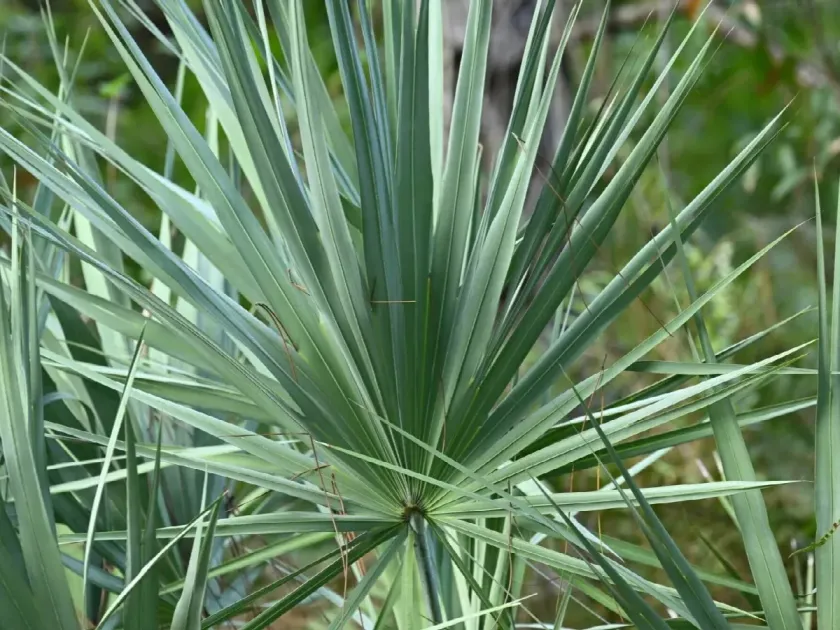
Description
Growing requirements
Serenoa repens, commonly known as saw palmetto, is a low-growing palm belonging to the Arecaceae family. Native to the southeastern United States, it is a hardy, slow-growing plant that thrives in warm, subtropical climates and sandy soil types.
The plant is highly adaptable to various soil conditions but prefers well-drained sandy or loamy soils. It is well-known for its drought tolerance once established, though consistent moisture is necessary to ensure optimal berry production for commercial purposes.
Regarding climate, saw palmetto requires plenty of sunlight to flourish. While it can survive in partial shade, growth rates and fruit yields are significantly reduced in less sunny environments. It is sensitive to severe cold and thrives in USDA hardiness zones 8 to 11.
Agricultural management for this crop involves weed control, especially during the early stages of the palm's development. Due to its slow growth, the plant is easily outcompeted by aggressive weeds, necessitating manual or mechanical intervention to protect young seedlings.
Fertilization is generally light compared to other commercial crops. Using a balanced slow-release fertilizer during the active growing season can improve foliage health and berry production without stressing the plant's root system.
Yield
The primary economic output of Serenoa repens is its berries, which contain bioactive lipids and sterols widely used in health supplements for prostate health. The berries are harvested when they reach full maturity, typically turning a deep black color in autumn.
Harvesting efficiency depends on the method applied, as palms grow in dense clumps. Commercial operations often use manual labor or specialized equipment to gather the berries without damaging the slow-growing fronds and the heart of the palm.
Post-harvest management is critical; berries must be dried or processed immediately to prevent mold growth and the degradation of active chemical compounds. The moisture content of fresh berries makes them highly perishable if stored improperly.
Yields are inherently variable due to the wild-harvesting nature of much of the industry, though controlled cultivation can stabilize output. Consistent yield depends on selecting high-quality seeds or clones that demonstrate robust fruiting habits.
Economic prospects remain strong as long as global demand for natural herbal medicine continues to grow. Sustainable harvesting practices are essential to ensure the longevity of both wild populations and managed commercial plantations.
Main diseases and pests
Major pests affecting saw palmetto include the palmetto weevil, which bores into the plant's tissue, potentially causing the palm to collapse. Regular monitoring and early detection are vital for managing weevil populations in commercial plantations.
Fungal pathogens often emerge in areas with poor drainage or stagnant air circulation. Leaf spot and root rot are common issues when the palm is subjected to prolonged waterlogging or dense planting layouts that restrict airflow.
Nematodes can pose a hidden threat, particularly in sandy soil profiles. Soil testing and the use of certified healthy planting material are the standard defensive measures against these microscopic parasites.
Environmental stress, such as extreme freezing temperatures or prolonged flooding, can weaken the plant's immune system, making it more susceptible to opportunistic infections. Maintaining optimal growth conditions is the best way to prevent plant decline.
Integrated Pest Management (IPM) strategies, which include cultural, biological, and chemical methods, are recommended to maintain a healthy plantation and ensure long-term productivity of the saw palmetto crop.