
Schippia concolor
Schippia concolor
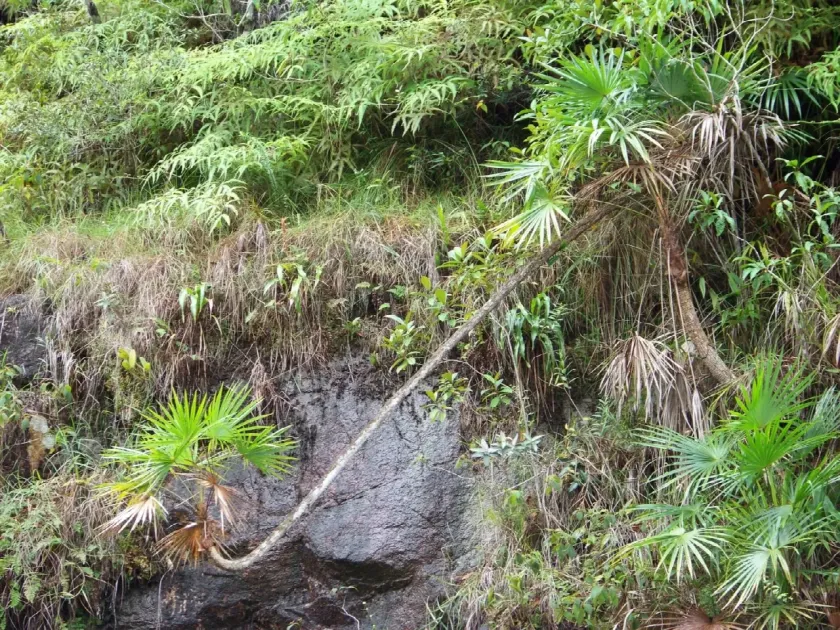
Description
Growing requirements
Schippia concolor, commonly known as the silver saw palm, is a member of the Arecaceae family. This species is native to the tropical rainforests of Belize and Guatemala, where it thrives in humid and shaded understory conditions.
The plant requires a warm climate with minimal temperature fluctuations. In agricultural or horticultural settings, it is essential to mimic its natural environment by providing high ambient humidity and steady warmth.
The soil should be a well-draining, nutrient-rich mix. Adding components like peat or organic compost helps retain necessary moisture while ensuring excess water can easily drain away from the root system.
Light management is crucial for the healthy development of Schippia concolor. While it prefers bright, filtered light, direct sun exposure must be avoided to prevent scorching the delicate foliage.
Consistent watering is required during the peak growth season, ensuring the soil remains moist but never waterlogged. As winter approaches, the frequency of irrigation should be reduced to allow the plant a resting phase.
Main diseases and pests
Fungal diseases are the primary threat to the health of this palm, often triggered by poor ventilation or excessive substrate moisture. Root rot is a common outcome if drainage requirements are ignored.
Pests such as scale insects frequently attach themselves to the stems and leaves, extracting plant sap. This infestation leads to stunted growth and yellowing of the fronds if left untreated.
Spider mites are another major concern, especially in indoor environments with low humidity levels. These pests thrive in dry conditions and can rapidly multiply on the underside of the leaves.
Management strategies include the application of horticultural oils or systemic insecticides. Regular inspection of the plant canopy allows for early detection and prevents widespread damage to the palm.
Maintaining proper hygiene by removing dead fronds and debris from the base of the plant is essential. This practice significantly reduces the likelihood of hosting pests or harboring dangerous fungal pathogens.