
Roscheria
Roscheria melanochaetes
Description
Growing requirements
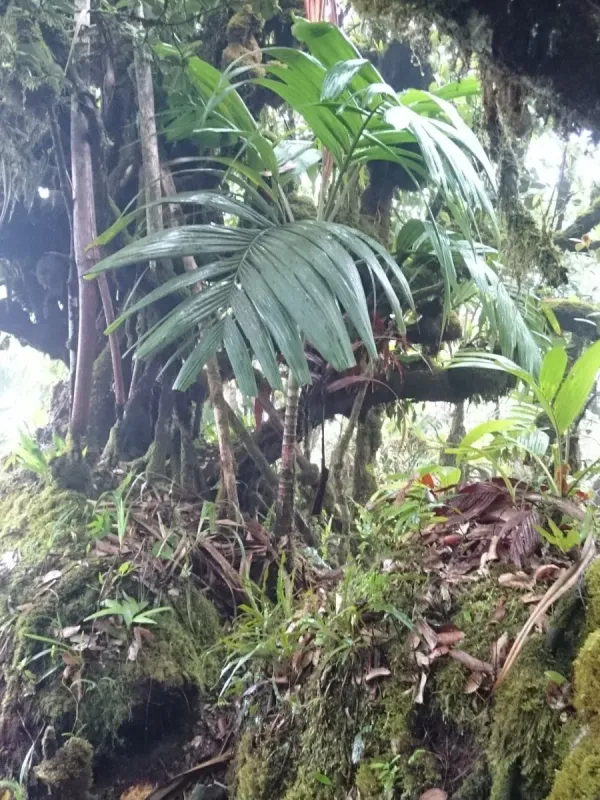
Roscheria melanochaetes is an exotic palm species belonging to the Arecaceae family. Endemic to the Seychelles islands, this plant thrives in humid tropical forest environments at higher elevations, making it a unique botanical specimen.
Botanically, the plant is known for its slender trunk, which is covered in black, sharp spines in its juvenile stage. Its foliage is composed of graceful pinnate leaves, providing the characteristic aesthetic appeal of many tropical forest palms.
In terms of agricultural requirements, the plant demands consistent tropical temperatures. It is highly sensitive to cold and requires a controlled environment, such as a specialized greenhouse, to maintain optimal development throughout the year.
Soil management is critical for this species. It requires a well-draining, nutrient-rich substrate high in organic matter. Waterlogging must be strictly avoided, as the root system is prone to rapid decay in compacted or poorly aerated soils.
Light intensity should be carefully managed, favoring filtered or dappled sunlight. Direct, harsh light is typically detrimental to young specimens, which are accustomed to the shade provided by the canopy in their natural mountain habitats.
Main diseases and pests
The primary threats to Roscheria melanochaetes in cultivation are soil-borne pathogens and root rot. These issues are often triggered by improper watering schedules or high humidity levels coupled with poor air ventilation within the facility.
Pests such as mealybugs and spider mites are common concerns for this palm species. These insects can quickly colonize the base of the leaves and stems, leading to severe vigor loss if not addressed through consistent monitoring.
Environmental stress, particularly drafts or extreme fluctuations in temperature, significantly weakens the plant's natural defenses. Ensuring a stable and stable microclimate is the best form of defense against biotic and abiotic stressors.
Fungal infections can also manifest as spots on the fronds if the leaves remain wet for too long. Proper canopy management and localized airflow are essential to keep the foliage dry and healthy during the growing season.
Nutrient deficiency is another common issue that may mirror pest infestation signs. Regular soil testing and appropriate fertilization regimes are necessary to ensure that the palm receives all essential nutrients for sustained, healthy growth.