
Ravenea louvelii
Ravenea louvelii
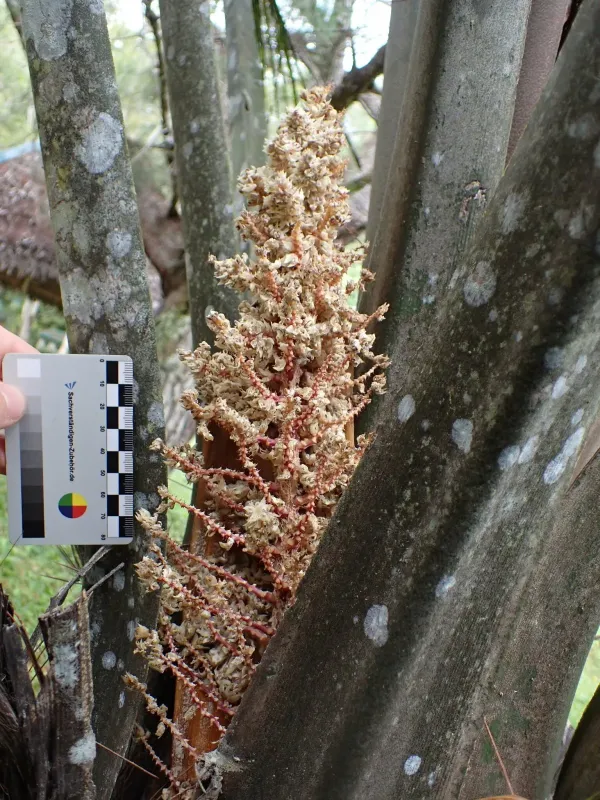
Description
Growing requirements
Ravenea louvelii is a unique palm species belonging to the Arecaceae family, endemic to the island of Madagascar. It is characterized by a slender, solitary trunk and elegantly arching pinnate leaves, making it a prized specimen among palm enthusiasts.
This species naturally inhabits humid tropical forests, which defines its specific environmental needs. To flourish, the plant requires a climate that mimics these conditions, characterized by high humidity levels and warm temperatures throughout the year.
Cultivation of this palm is restricted to tropical or controlled greenhouse environments due to its lack of cold tolerance. Light conditions should ideally be bright and filtered to simulate the understory environment of its natural habitat.
The substrate for Ravenea louvelii must be highly permeable, rich in organic humus, and capable of holding moisture without becoming waterlogged. Proper drainage is essential to prevent the accumulation of stagnant water near the root collar.
Economically and horticulturally, this palm is utilized as a high-end ornamental plant. It serves as a focal point in tropical botanical gardens and specialized private collections, prized for its structural elegance and rarity.
Main diseases and pests
The main threat to Ravenea louvelii health is root rot, typically caused by poor drainage and excessive watering. Once root pathogens establish themselves, the decline of the palm is often rapid and difficult to reverse.
Pests such as mealybugs and spider mites are common in indoor or greenhouse settings. These insects target the leaf bases and undersides of the fronds, potentially causing stunted growth and leaf deformation if not managed.
Nutrient deficiencies, particularly involving magnesium, can manifest as yellowing of older fronds. Implementing a consistent, balanced fertilization program is necessary to sustain the vibrant green color of the foliage.
Low atmospheric humidity can lead to unsightly brown tips and edges on the leaves. Regular misting or the use of humidification systems is recommended to maintain the aesthetic quality of the palm.
As a vulnerable species, conservation efforts focus on maintaining genetic diversity through ex-situ cultivation. Preventing pathogen transmission through sanitary gardening practices remains a priority for long-term health.