
Ravenea glauca
Ravenea glauca
Description
Growing requirements
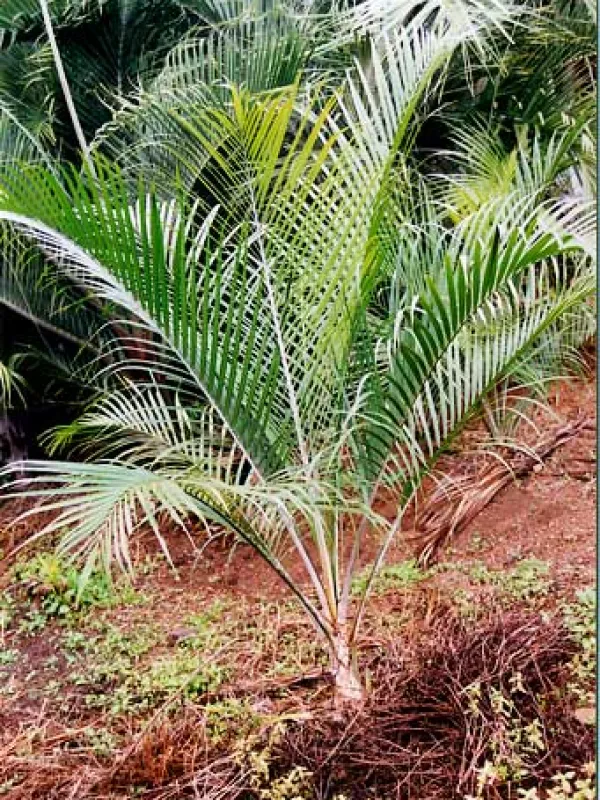
Ravenea glauca is a palm species belonging to the family Arecaceae, native to the rocky, mountainous regions of Madagascar. This elegant palm is recognized by its glaucous foliage and its adaptation to distinct environmental conditions.
Botanically, it features pinnate leaves covered with a characteristic waxy bloom, providing it with a unique aesthetic. The growth pattern is relatively slow, making it suitable for both container cultivation and specialized ornamental garden settings.
Climate requirements include bright, indirect light exposure. While it is hardy in its native habitat, it thrives in environments that provide moderate temperatures and protection from harsh frost or extreme heat.
Soil requirements dictate the use of a well-draining substrate mix. Incorporating organic matter, perlite, and coarse sand is essential to prevent root saturation, which is the primary cause of decline in this species.
Agricultural practices require careful water management. It is necessary to allow the soil to partially dry out between irrigation cycles to mimic the natural fluctuations in its native environment and promote robust root health.
Main diseases and pests
Common pests affecting Ravenea glauca include spider mites and mealybugs, which thrive in low-humidity environments. These pests can cause discoloration and structural damage to the leaflets.
Fungal pathogens such as root rot are a significant threat if the soil remains waterlogged for extended periods. This usually leads to the systemic decay of the plant's root system.
Management of these threats involves the application of appropriate biological controls or chemical pesticides when infestations occur. Early detection is key to preventing widespread infection.
Preventive measures include regular inspection of the underside of the leaves and ensuring adequate air circulation around the palm crown to maintain plant hygiene.
Maintaining stable growing conditions through proper fertilization and watering schedules significantly increases the plant's natural resistance to diseases and pest colonization.