
Murumuru
Astrocaryum murumuru
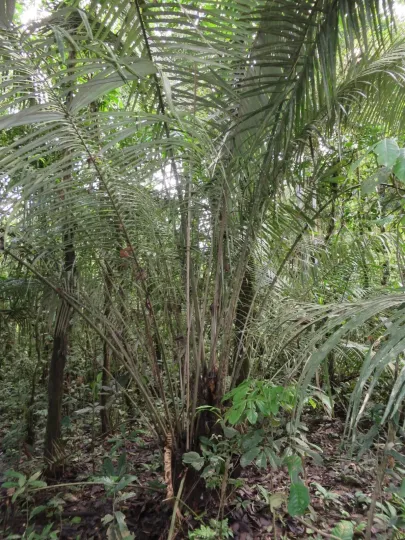
Description
Sowing dates
The propagation of the Murumuru palm (Astrocaryum murumuru) is achieved through seeds, which require specific preparation before being sown in nursery beds.
Seeds are typically cleaned from the pulp and soaked in warm water to break dormancy and ensure a uniform germination rate.
Ideal conditions for germination include a consistent temperature of 25–30 degrees Celsius and a high-moisture environment to stimulate the embryo.
Nursery substrates should be light, well-draining, and rich in organic matter to support the rapid development of the palm's root system.
Seedlings are transplanted to their permanent locations once they reach a robust size, ensuring they can withstand direct sunlight and environmental stress.
Growing requirements
Murumuru is a member of the Arecaceae family and is native to the Amazon rainforest, where it thrives in humid and hot tropical climates.
The crop demands high rainfall levels throughout the year and prefers well-structured, fertile soils with plenty of nutrients for optimal growth.
While the palm is a sun-loving species, young trees often benefit from partial shade during their first years of development in the field.
Soil drainage is critical, as stagnant water can lead to the rapid onset of root rot, which is a major threat to tropical palm plantations.
The palm requires enough space between individual trees to allow for proper airflow, which reduces the incidence of common leaf diseases.
Yield
The yield of Murumuru palms becomes commercially significant after the trees reach maturity, usually starting from the eighth year of growth.
Fruits are harvested in heavy clusters, which are then processed to extract the unique, highly valued butter found within the seeds.
The productivity of an individual tree tends to increase over time, making it a reliable long-term asset for sustainable agroforestry projects.
Oil yield per fruit depends on the variety and the specific growing conditions, particularly the soil quality and access to consistent moisture.
Effective management of the plantation ensures higher yields and better quality of the final butter, which is widely used in the cosmetics industry.
Main diseases and pests
Murumuru palms are susceptible to various pests, including palm weevils that can damage the central growing point and kill the tree.
High levels of humidity in tropical climates often promote the development of fungal infections that target the roots and foliage.
Leaf-eating insects can cause significant foliage damage, leading to reduced photosynthetic capacity and overall stunted growth.
Integrated pest management strategies, involving biological controls and regular monitoring, are essential for maintaining a healthy plantation.
- Regular inspection of the canopy
- Removal and destruction of infected plant debris
- Maintenance of clean plantation rows
- Strategic application of organic fungicides
Harvesting
The harvesting process is physically demanding due to the dense array of long, sharp spines that cover the trunk of the Murumuru palm.
Harvesters must use specialized equipment and protective gear to carefully remove the fruit bunches without damaging the parent tree.
Timing is crucial; fruits must be harvested when they reach optimal maturity to ensure the highest fat content in the extracted oil.
Once harvested, the fruits are processed immediately to extract the seeds before the pulp begins to ferment in the tropical heat.
Efficient post-harvest handling is vital to maintain the integrity of the seeds, which are the source of the commercial-grade Murumuru butter.