
Nypa palm
Nypa fruticans Wurmb
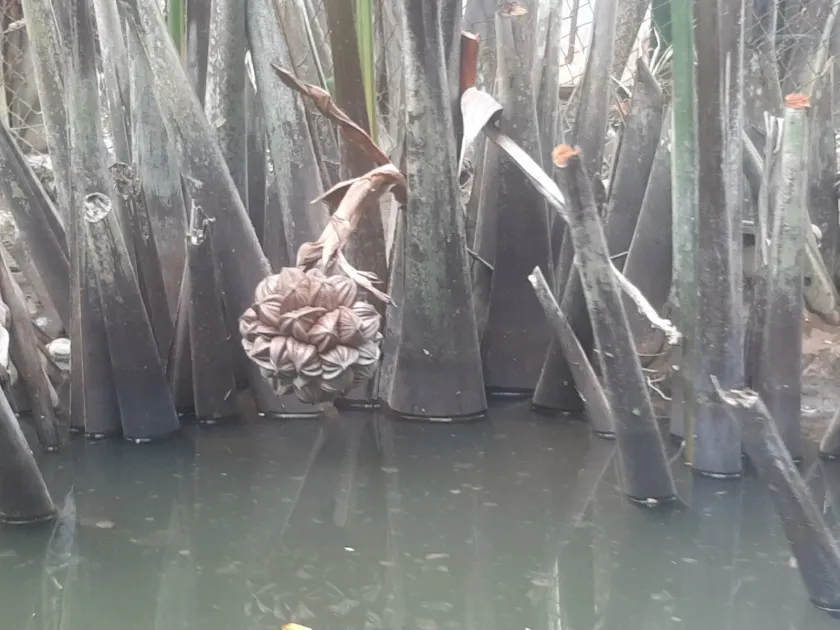
Description
Growing requirements
Nypa fruticans, commonly known as the nypa palm, is a unique species belonging to the Arecaceae family. It is distinct among palms for being the only member of its family adapted to mangrove ecosystems, characterized by a horizontal underground rhizome and impressive pinnate fronds.
Originating from the tropical regions of Southeast Asia and Northern Australia, this palm thrives in river estuaries and muddy coastlines. It occupies a specialized ecological niche where freshwater rivers meet the saline conditions of the tides, forming expansive and ecologically vital mangrove habitats.
The climatic requirements for the nypa palm involve constant high temperatures and humidity. It is strictly limited to tropical zones and requires abundant water availability, as it is physiologically tied to the daily tidal cycles that replenish nutrients and hydrate the soil.
Soil conditions are critical for this species; it favors fine-grained, nutrient-rich estuarine silt. The plant demonstrates high tolerance to saline concentrations that would be fatal to most other agricultural crops, making it a pioneer species in saline environments.
Regarding agrotechnical management, the cultivation of nypa relies largely on sustainable harvesting from natural stands. While plantation trials have been conducted, the focus remains on maintaining the hydrological integrity of the marshes to ensure steady growth and productivity of the palms.
Harvesting
Economic utility of Nypa fruticans is substantial, particularly in the production of palm sugar. By tapping the inflorescence stalk, farmers collect a sap that is rich in sucrose, which is subsequently processed into syrup, crystal sugar, vinegar, or fermented into alcohol and biofuels.
The leaves of the nypa palm provide a sustainable source of building materials, widely utilized for thatching roofs and walls of traditional dwellings. The durability of the foliage makes it highly resistant to tropical weathering, offering a low-cost, natural solution for local infrastructure.
In addition to building materials, the fruit of the nypa is edible and valued for its nutty, coconut-like flavor, particularly when immature. The endosperm of mature seeds is hard and durable, occasionally used as a natural alternative to ivory for carving various artisanal items.
The biomass potential of this plant is significant, as its rapid growth in favorable conditions allows for frequent harvesting cycles. This makes the nypa palm a subject of interest for sustainable, regenerative agriculture in coastal regions threatened by sea-level rise.
Finally, the ecological contribution of these palms cannot be overstated, as they provide essential habitats for fish and crustacean species. Protecting these stands is not only a matter of agricultural production but also a critical strategy for coastal erosion control and biodiversity conservation.