
Nenga pumila
Nenga pumila
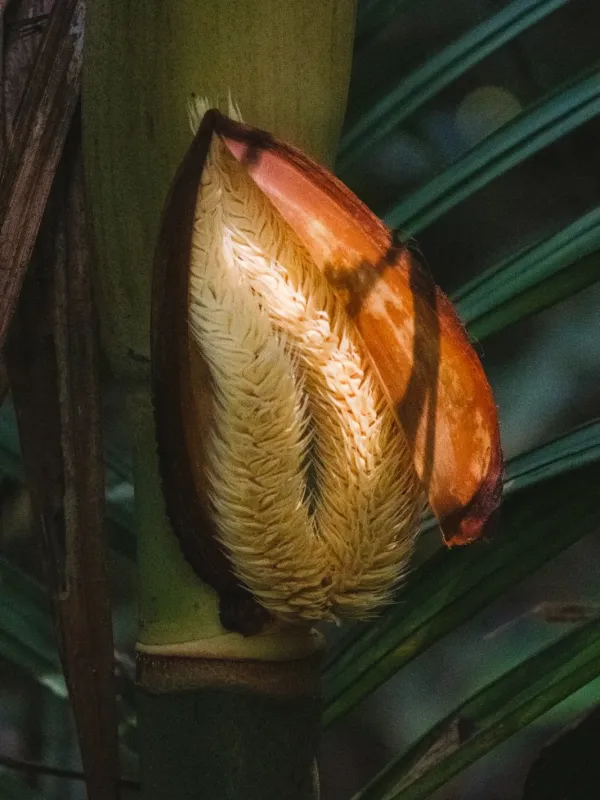
Description
Growing requirements
Nenga pumila is an elegant palm species belonging to the Arecaceae family. It is native to the tropical rainforests of Southeast Asia, thriving particularly well in the shaded understory of Indonesia and the Philippines.
In its natural habitat, the plant prefers humid and stable environments with filtered sunlight. It is sensitive to direct solar radiation, which can easily scorch its delicate, pinnate foliage and stunt its overall development.
The cultivation of this palm requires a well-drained, nutrient-rich potting mix that retains moisture while allowing excess water to escape. High organic matter content is essential for sustaining its nutrient needs throughout the growing cycle.
Nenga pumila thrives in a temperature range of 22 to 28 degrees Celsius. Being a tropical species, it cannot withstand cold or frost, and sudden temperature fluctuations should be strictly avoided to ensure continuous growth.
Proper agronomic care involves maintaining high air humidity and providing consistent, light watering. Using distilled or filtered water is recommended to prevent salt buildup in the soil, which can harm the sensitive root system.
Main diseases and pests
Root rot is the most common threat to this species, primarily caused by overwatering and poor drainage. This condition promotes fungal growth, which rapidly decays the roots and can lead to the plant's irreversible decline.
Spider mites are a persistent pest for Nenga pumila, especially in environments with low air humidity. They colonize the underside of leaves, causing yellowing and eventually leading to premature leaf drop if not managed.
Mealybugs are another common nuisance, often found hiding in leaf axils. These pests secrete a sticky substance that can attract secondary fungal infections, further weakening the plant's health.
Leaf spot diseases often emerge when air circulation is inadequate. Ensuring that the foliage has space for ventilation is key to preventing these common botanical issues in both greenhouses and indoor settings.
Regular monitoring for pests and diseases is essential for maintaining the aesthetic value of the palm. Integrated pest management, emphasizing cultural practices and biological control, is highly recommended over chemical usage.