
Nenga macrocarpa
Nenga macrocarpa
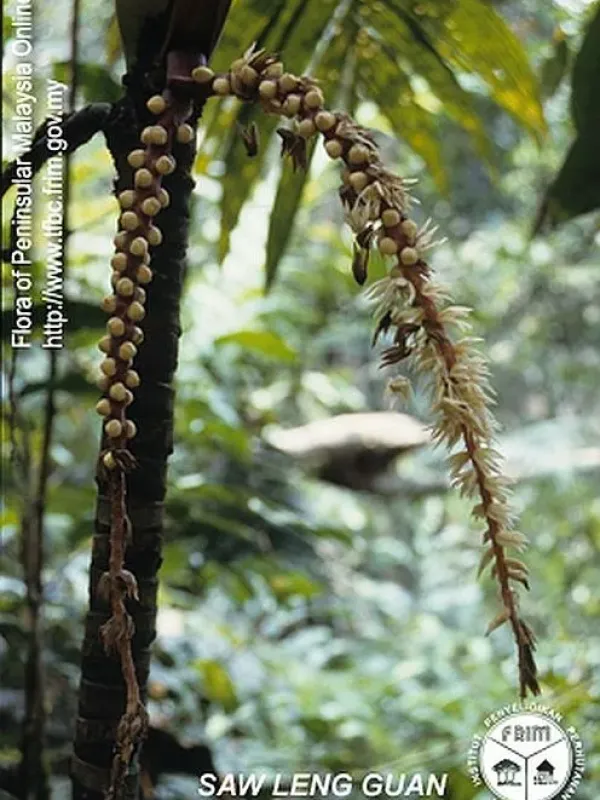
Description
Growing requirements
Nenga macrocarpa is a notable species within the Arecaceae (palm) family, native to the tropical rainforests of Southeast Asia. This palm is typically found in the dense understory of primary forests, where it thrives in shaded and humid environments.
To cultivate this species successfully, one must replicate tropical conditions with temperatures consistently between 22 and 28 degrees Celsius. Protection from cold drafts is critical, as the plant is sensitive to thermal stress.
The soil requirements for Nenga macrocarpa involve a well-draining, nutrient-rich substrate, preferably based on peat or compost with added perlite. Soil pH should ideally range from slightly acidic to neutral to ensure optimal nutrient uptake.
Watering management is a cornerstone of the plant's agronomy. The soil should remain consistently moist but never waterlogged; over-watering is the most frequent cause of physiological decline in this species.
Maintaining high atmospheric humidity is essential, especially when grown indoors or in greenhouse settings. Regular misting or the use of humidifiers helps prevent leaf desiccation and keeps the foliage lush and vibrant.
Main diseases and pests
The primary threats to this palm include fungal infections such as root rot, which are often precipitated by improper soil aeration and excessive irrigation. Prevention involves monitoring soil moisture and using sterilized planting media.
Pests that commonly infest this palm include spider mites and scale insects. These pests tend to flourish in environments with low humidity, necessitating regular manual inspections and the application of appropriate horticultural oils or soaps.