
Medemia
Medemia
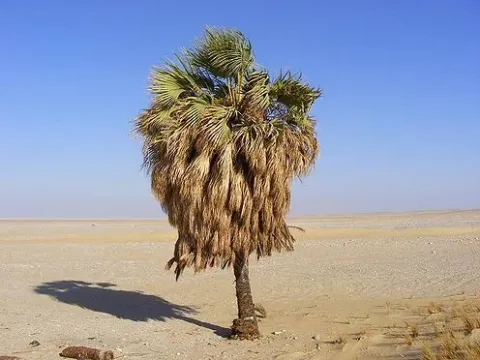
Medemia (Medemia argun) is a unique monotypic genus of palms belonging to the Arecaceae family. This relict species naturally occurs only in extremely limited zones of the Nubian Desert, primarily within the borders of modern-day Egypt and Sudan.
What the section contains

Medemia
Successful development of this culture requires specific arid climate conditions with access to deep groundwater reserves. Unlike many other palm species, Medemia is highly adapted to extreme temperatures and prolonged drought, yet remains sensitive to high atmospheric humidity.
Soil requirements involve the presence of well-drained, sandy, or rocky substrates capable of retaining moisture at deeper layers. The plant does not tolerate saline soils, which is a critical factor for any potential reintroduction or conservation efforts in its native environment.
Biologically, Medemia is characterized by a slow growth rate and the development of a single trunk, which can reach heights between 6 and 10 meters. The leaves are fan-shaped, rigid, and covered in a waxy glaucous coating that minimizes transpiration and allows the plant to conserve internal water.
The economic utility of the species is currently limited as the plant is considered threatened. Historically, the fruits of the Medemia were used by local tribes as a food source, while its timber and leaves were employed in local construction and for crafting various household items.
The primary threats to the remaining population include changes in the hydrological cycles of desert oases and the over-collection of seeds, which severely hinders natural regeneration. Climate change continues to pose a significant risk by reducing the range of habitats suitable for seed germination.