
Geonoma interrupta
Geonoma interrupta
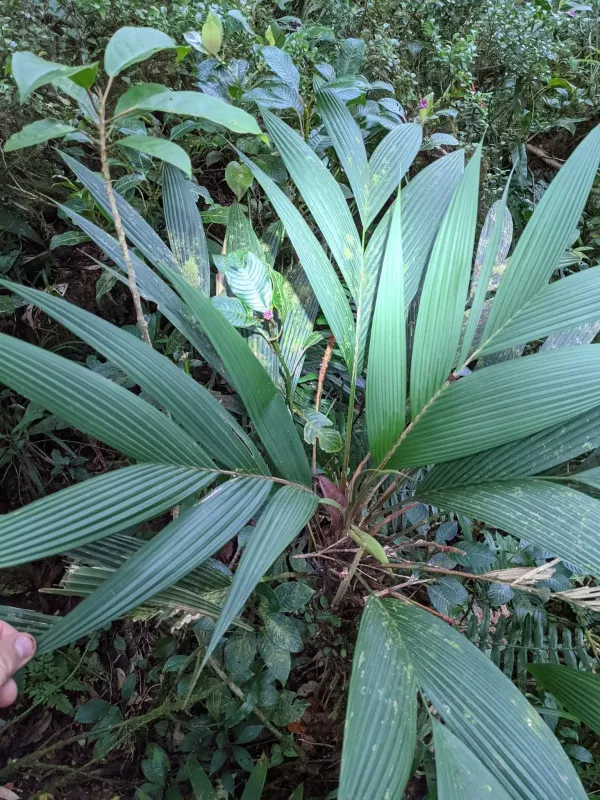
Description
Growing requirements
Geonoma interrupta is a species of palm belonging to the Arecaceae family, native to the tropical rainforests of Central and South America. It is highly valued in the horticultural industry for its elegant, pinnate leaves and slender stature, making it a popular choice for interior landscaping.
This crop requires a tropical climate with temperatures consistently between 22 and 28 degrees Celsius. It is highly intolerant of cold drafts and temperatures dropping below 18 degrees, necessitating controlled environments like greenhouses or sheltered indoor spaces.
Soil requirements for optimal growth involve a well-draining, nutrient-rich substrate. A mixture of high-quality peat, perlite, and leaf mold is recommended to maintain the right balance between moisture retention and aeration of the root zone.
Lighting conditions must be carefully managed as Geonoma interrupta is a shade-tolerant species. Direct, harsh sunlight can cause severe leaf scorch; therefore, diffused or filtered light is ideal for maintaining the plant’s deep green foliage and overall vitality.
Consistent humidity levels of 70 to 80 percent are crucial for the plant's health. In commercial or indoor settings, humidity should be supplemented with misting systems or automatic humidifiers to replicate the natural forest floor conditions from which the plant originates.
Main diseases and pests
Root rot is the most significant threat to Geonoma interrupta, usually caused by overwatering or poor drainage. This condition can rapidly lead to the decline of the plant, making precise water management the most important aspect of its cultivation.
Spider mites are common pests that thrive in low-humidity environments. They cause visible damage to leaves by sucking sap, which results in discoloration and stippling. Regular leaf inspections and maintenance of humidity levels are effective preventive measures.
Scale insects and mealybugs can also infest the palm, specifically hiding in the crevices of the stalks and at the base of the leaves. Systemic insecticides or neem-based treatments are often required to control severe infestations effectively.
Nutrient toxicity, often resulting from the overuse of synthetic fertilizers, can manifest as necrotic tips on the fronds. Using slow-release fertilizers formulated specifically for Arecaceae helps ensure a steady, safe supply of essential nutrients throughout the growing season.
Proper air circulation is essential to prevent fungal outbreaks, such as leaf spot diseases. Ensuring the plant is not overcrowded and that air moves freely around the foliage significantly reduces the risk of moisture-related pathogens spreading within the crop.