
Hybrid oil palm
Elaeis oleifera (Kunth) Cortés x Elaeis guineensis Jacq.
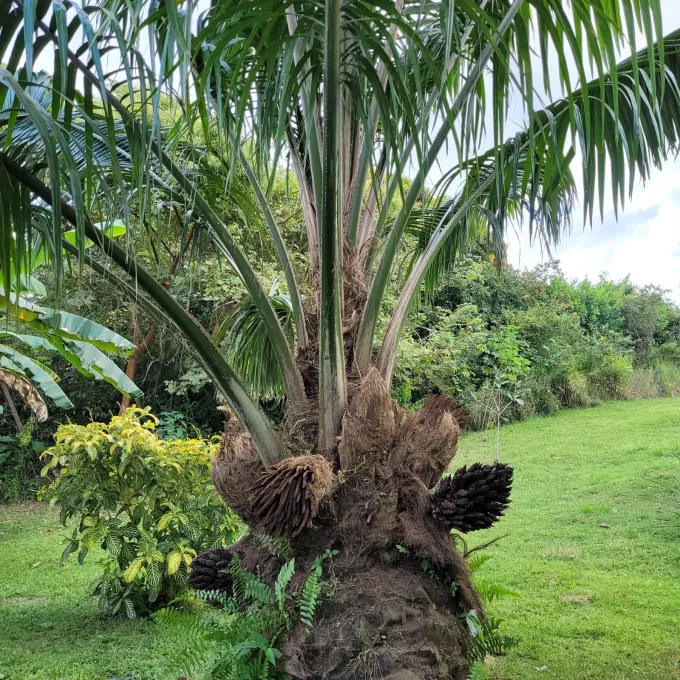
Description
Sowing dates
Cultivation of the hybrid oil palm typically begins in nursery environments, where seeds are germinated under strictly controlled humidity and temperature conditions.
Seedlings are nurtured for 10 to 14 months until they reach sufficient vegetative development, ensuring they can withstand environmental pressures in the field.
Transplanting to the plantation is ideally performed at the onset of the rainy season to provide the necessary hydration for deep root establishment.
Planting densities vary depending on soil fertility, usually ranging between 140 and 160 palms per hectare to optimize light exposure and airflow.
Early-stage management requires consistent application of NPK fertilizers to promote robust leaf growth and establish a strong foundation for future yield.
Growing requirements
The hybrid oil palm, a cross between the American Elaeis oleifera and the African Elaeis guineensis, belongs to the Arecaceae (palm) family.
These plants thrive in tropical climates with high humidity and consistent average temperatures ranging from 24 to 28 degrees Celsius throughout the year.
Well-drained, alluvial soils are essential for healthy growth, as waterlogging is a primary cause of root rot and overall plant decline in oil palm cultivation.
Adequate sunlight is critical, as the hybrid relies on high levels of solar radiation to drive the photosynthetic processes required for high oil content.
In regions experiencing distinct dry seasons, the implementation of irrigation systems is mandatory to maintain the plant's water balance and prevent yield loss.
Yield
The primary benefit of this hybrid is the production of oil with a healthier fatty acid profile, typically containing higher levels of oleic acid.
The shorter stature of the hybrid palm is a significant agronomic advantage, making harvesting easier and more cost-effective compared to taller varieties.
Yield stability depends on effective pollination management, as many hybrids exhibit differences in male and female inflorescence development cycles.
Fruit bunches are harvested once they reach physiological maturity, ensuring the mesocarp contains the peak concentration of high-quality oil.
- Improved unsaturated fatty acid content.
- Slower vertical growth rate.
- Higher resistance to specific regional pathogens.
Main diseases and pests
Basal stem rot, caused by various fungal pathogens, remains the most significant threat to plantation health, especially in high-humidity environments.
Viral infections affecting the foliage can lead to severe chlorosis, reducing the photosynthetic efficiency and overall productivity of the hybrid palm.
Insect pests, including various palm weevils and mites, target the growing point of the palm, which can lead to stunted growth or eventual death of the tree.
Integrated pest management, including regular plantation monitoring and the removal of infected tissues, is crucial for maintaining a healthy palm population.
The use of disease-resistant clones, developed through advanced breeding programs, represents the best strategy for long-term plantation protection.
Harvesting
Harvesting involves the precise cutting of heavy fruit bunches using sickles or specialized chisels mounted on long poles, requiring skilled labor.
Timing is critical, as fruits must be processed within 24 to 48 hours of harvest to minimize free fatty acid accumulation and ensure oil purity.
Transportation from the field to the mill must be handled carefully to avoid physical damage or bruising of the fruit bunches, which degrades oil quality.
The continuous production cycle of the hybrid oil palm necessitates highly efficient logistics to ensure that mills operate at full capacity year-round.
Quality control at the harvest stage is fundamental, as the chemical composition of the final product is heavily influenced by post-harvest handling practices.