
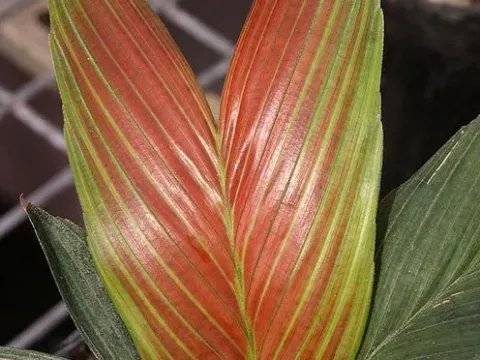
Calyptrocalyx
Calyptrocalyx
Calyptrocalyx is a genus of tropical palms belonging to the Arecaceae family, native to the tropical rainforests of New Guinea. These plants are recognized for their elegant form and diverse leaf morphology, making them highly desirable in botanical collections.
What the section contains


Calyptrocalyx
The climate requirements for these palms involve consistently high temperatures, ideally ranging between 22 and 26 degrees Celsius. They are intolerant of cold drafts and temperatures dropping below 15 degrees Celsius, which can cause significant cellular damage.
Soil composition must be rich in organic matter and possess excellent drainage capabilities. A mixture consisting of pine bark, peat moss, and perlite provides the necessary structure to prevent compaction while retaining essential moisture levels.
Humidity management is crucial for the health of Calyptrocalyx species. Given their natural rainforest habitat, maintaining relative humidity above 65 percent is essential, often requiring the use of automated misting systems in controlled environments.
Light levels should be kept in the moderate to low range, simulating the dappled sunlight found under a forest canopy. Avoiding direct solar radiation prevents photo-inhibition and scorching of the delicate, thin fronds characteristic of the genus.
Spider mites are a persistent threat in indoor environments with low air humidity, frequently colonizing the underside of leaves. Regular inspection and increased humidity levels are the primary methods for preventing large-scale infestations.
Root rot caused by Oomycetes is a major pathological threat to the genus when growing conditions are excessively wet. Proper soil aeration and the use of well-draining pots are critical to mitigating the risk of pathogen proliferation in the root zone.
Scale insects can establish colonies along the petioles, sap-sucking and weakening the plant's structural integrity. Manual removal combined with horticultural oil applications is typically effective for localized control of these pests.
Fungal leaf spot diseases may appear during periods of poor air circulation or overcrowding in a greenhouse setting. Improving airflow and removing infected fronds are necessary cultural practices to maintain the health of the specimens.
Nutrient deficiency symptoms, specifically chlorosis, often arise from incorrect soil pH, which restricts the availability of iron and magnesium. Monitoring pH levels ensures the plant can effectively uptake micro-nutrients for healthy growth.