
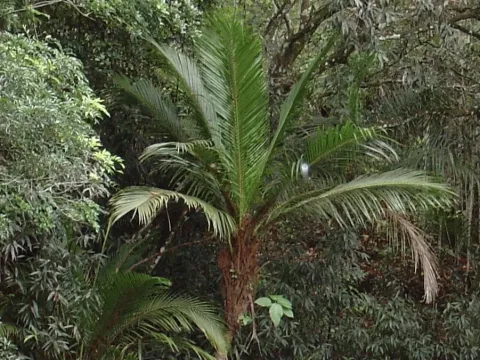
Calyptronoma
Calyptronoma
Calyptronoma is a genus of palm trees within the Arecaceae family, native to the Caribbean islands. These plants are characterized by their tall, slender stems and broad, pinnate-like or feathery leaves that provide a distinct aesthetic to tropical landscapes.
What the section contains

Calyptronoma
The culture thrives in hot and humid tropical climates, closely mimicking its natural habitat of marshes and lowland rainforests. It is highly sensitive to cold, and success in cultivation depends on maintaining stable warm temperatures throughout the year.
Soil requirements for Calyptronoma include high organic content and moisture-retentive properties. While they favor wet conditions, it is essential that the substrate provides adequate drainage to prevent root asphyxiation during periods of heavy rainfall.
Regarding light exposure, these palms prefer filtered or partial shade. Direct exposure to intense equatorial sun can cause leaf scorch, especially in younger plants, meaning that strategic placement in a landscape or greenhouse is crucial for health.
Historically and culturally, these palms have been utilized by local communities for roofing materials and weaving. In contemporary times, their primary use is ornamental, serving as focal points in tropical gardens and botanical collections.
Like many palms in tropical environments, Calyptronoma is susceptible to various pests, most notably mealybugs and scale insects. These pests cluster on the undersides of leaves and at the base of petioles, draining plant vitality.
Root rot is a major physiological and pathological threat often triggered by over-irrigation or stagnant water in the growing medium. Preventive measures include ensuring an efficient drainage system and avoiding waterlogging at all costs.
Leaf spot diseases, often fungal in origin, are common when air circulation is poor or humidity is excessively high. These pathogens can cause significant defoliation if left untreated, compromising the decorative quality of the plant.
Regular monitoring is the best strategy against infestations. If pests are detected, biological control methods or selective horticultural oils are recommended to maintain the integrity of the foliage without causing chemical stress.
Ensuring the plant is not overcrowded in a landscape setting is vital for disease prevention. Proper spacing allows for adequate airflow, which keeps the foliage dry and creates an environment less conducive to fungal spore germination.