
Calamus scipionum
Calamus scipionum
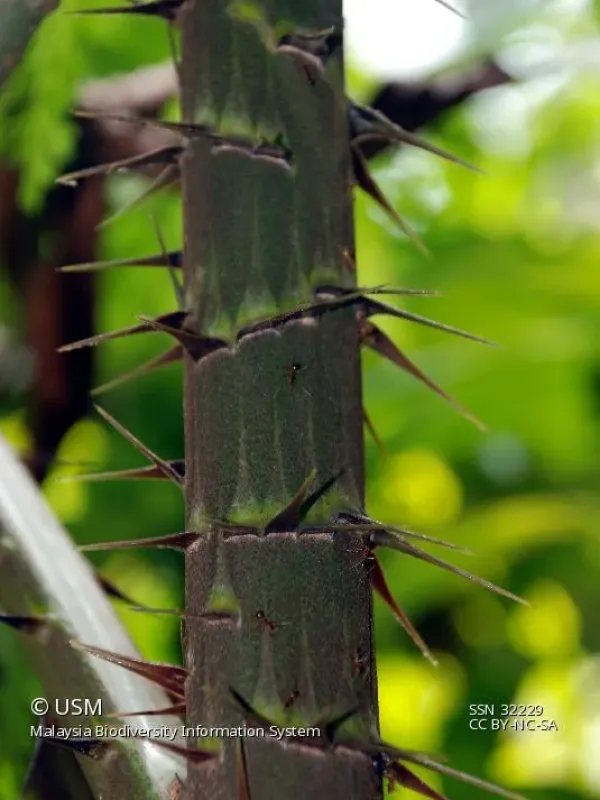
Description
Growing requirements
Calamus scipionum is a vigorous climbing palm species belonging to the Arecaceae family. Known primarily as a major source of rattan, this plant is native to the tropical rainforests of Southeast Asia, where it thrives in warm, humid conditions.
The species requires a climate with consistent high temperatures, generally not dropping below 20-25 degrees Celsius. It is highly sensitive to cold and frost, which limits its commercial cultivation to equatorial and tropical regions that experience high annual rainfall.
Regarding soil requirements, the plant prefers deep, fertile, and well-drained soils rich in organic matter. While it needs consistent moisture, it cannot tolerate waterlogged soils, as this often leads to root rot and other physiological disorders.
As a climbing palm, Calamus scipionum naturally relies on taller trees for support to reach sunlight. In cultivation, farmers often mimic these conditions by maintaining partial shade during the plant's early growth stages to prevent desiccation.
Proper agronomic management involves regular monitoring of the plant density. Strategic thinning is required to ensure good airflow within the canopy, which is crucial for preventing fungal infections that flourish in the humid tropical environment.
Main diseases and pests
The primary threats to Calamus scipionum plantations are fungal diseases, which are exacerbated by high humidity and poor air circulation. These pathogens can cause leaf spots and stem rot, significantly reducing the quality of the harvested rattan.
Insect pests pose another significant challenge. Various borers and beetles target the growing points or bore into the stems, leaving holes that make the material unsuitable for high-end furniture production.
- Fungal leaf spots during rainy seasons.
- Stem-boring insects causing structural damage.
- Competition from invasive vegetation.
- Root decay due to improper drainage.
- Damage to young shoots from forest wildlife.
Harvesting
The economic value of Calamus scipionum lies in its long, flexible, and exceptionally strong stems. These stems are harvested once the plant reaches physiological maturity, which typically occurs between 7 and 10 years after planting.
Harvesting is labor-intensive and involves manually extracting the long vines from the forest canopy. Once harvested, the stems are stripped of their spiny sheaths and foliage, then subjected to curing processes, such as steaming or oiling, to improve durability.
The processed material is highly sought after by the global furniture industry for its ability to be bent into various shapes. It is used to manufacture everything from heavy-duty furniture frames to fine decorative weaving.
Quality control during the harvest phase is essential. Stems are sorted by diameter and flexibility to ensure they meet international trade standards. Proper curing prevents insect infestation and mold, ensuring the product remains viable for years.
Sustainable harvesting practices are encouraged to ensure the longevity of the palm stands. When harvested selectively, these plants can provide a renewable resource for decades, balancing industrial demand with environmental preservation.