
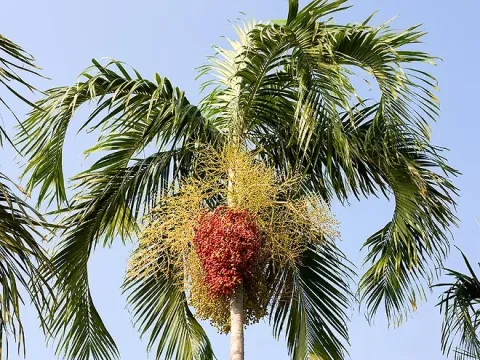
Carpentaria
Carpentaria
Carpentaria (Carpentaria acuminata) is a monotypic genus of palms belonging to the Arecaceae family. It is native to the tropical regions of Northern Australia, where it thrives in high-rainfall coastal habitats.
What the section contains

Carpentaria
This species requires a warm, frost-free climate for healthy growth. It is highly sensitive to cold temperatures and should ideally be cultivated in environments that maintain a consistent tropical temperature profile.
The soil must be fertile, rich in organic matter, and possess excellent drainage properties. While the palm enjoys moisture, it cannot tolerate waterlogged conditions, which can lead to severe root decay.
Regarding light, Carpentaria palms prefer bright, filtered light. Young plants should be protected from intense, direct sunlight, which can scorch the foliage, while mature trees can tolerate more exposure.
The primary use of this palm is ornamental landscaping. Its tall, slender trunk and graceful, arching fronds make it a highly sought-after plant for parks, gardens, and interior atriums in warm climates.
Common pests affecting Carpentaria include spider mites and mealybugs, which tend to infest the plant when ambient humidity is too low or when the palm is stressed by poor growing conditions.
Root rot is the most significant disease threat, typically caused by overwatering or poor soil drainage. If the drainage is not sufficient, the root system fails to oxygenate, causing the palm to decline.
Effective management includes regular monitoring for pests and applying horticultural oils or systemic insecticides if infestations occur. Maintaining adequate spacing promotes better air circulation around the canopy.
Nutrient deficiencies, specifically magnesium and potassium, can manifest as interveinal chlorosis on older fronds. Using a high-quality, palm-specific fertilizer helps prevent these imbalances.
Pruning is recommended to remove dead or diseased fronds. Using sanitized tools is critical to prevent the spread of pathogens from one tree to another within a garden or plantation.