
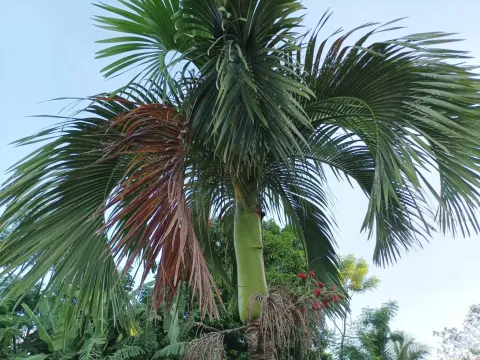
Carpoxylon
Carpoxylon
Carpoxylon macrospermum is a unique species of palm in the Arecaceae family, known for its elegant appearance and rarity. Native to the islands of Vanuatu, this palm is classified as an endangered species in its natural habitat, making its cultivation a significant task for conservation.
What the section contains

Carpoxylon
The plant thrives in tropical climates characterized by high humidity and warm temperatures throughout the year. It requires a stable environment without cold snaps, as it is extremely sensitive to chilling temperatures which can cause permanent damage to the foliage and root system.
Cultivation success depends on providing a well-draining, nutrient-rich soil mix. It is essential to avoid waterlogged conditions, as the roots are highly susceptible to decay. A blend of peat, bark, and perlite is often used to ensure proper aeration and moisture balance.
In terms of light, the Carpoxylon prefers filtered sunlight or partial shade, especially during the juvenile stages of growth. In greenhouse settings, maintaining high ambient humidity is crucial, as low humidity levels can lead to leaf tip necrosis and stunted development.
Commercially, this species is highly regarded for its ornamental value in landscaping within tropical and subtropical regions. Its majestic stature and long, arching fronds make it an excellent focal point in botanical gardens and luxury estate landscapes.
The primary threats to the health of the Carpoxylon are fungal pathogens, specifically those causing crown and root rot, which are often exacerbated by poor drainage and stagnant air. Preventive measures include ensuring good airflow and strict adherence to moisture management protocols.
Common pests that infest this palm include mealybugs, scales, and spider mites. These pests thrive in poorly ventilated environments or during dry spells. Regular monitoring and the application of horticultural oils or insecticidal soap are recommended to keep infestations under control.