
Calyptrocalyx pachystachys
Calyptrocalyx pachystachys
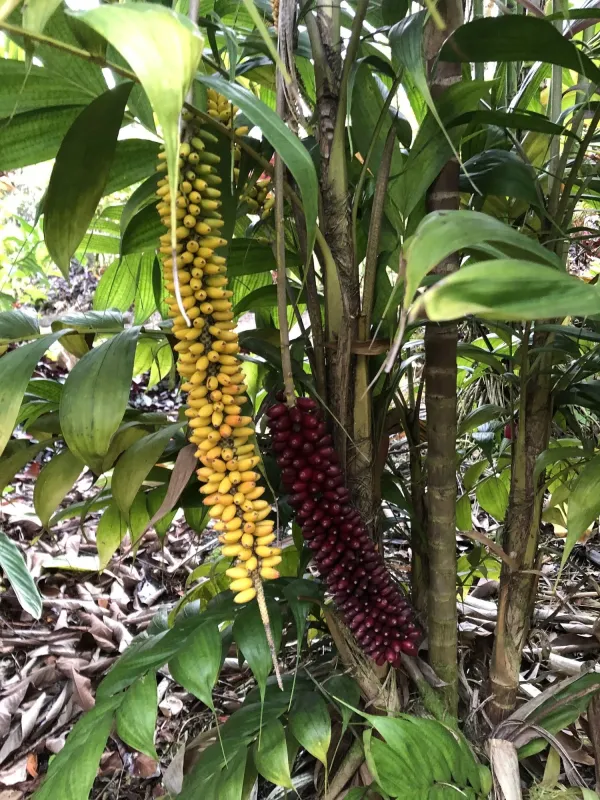
Description
Growing requirements
Calyptrocalyx pachystachys is an elegant palm species belonging to the Arecaceae family, native to the lush tropical rainforests of New Guinea. This species is highly valued in horticulture for its distinct morphological traits and beautiful foliage structure.
To ensure optimal development, this plant requires a stable tropical climate with consistent temperatures year-round. It is extremely sensitive to cold temperatures and frost, making greenhouse cultivation the only viable option in non-tropical regions.
The soil must be rich in organic matter and possess excellent drainage properties to prevent root suffocation. A slightly acidic to neutral pH level is ideal for maintaining the health of the root system and ensuring the availability of essential nutrients.
Regarding light, it thrives in bright, filtered light or partial shade. Direct exposure to intense sunlight can easily scorch its sensitive leaves, leading to irreversible damage, so careful placement in its environment is crucial for success.
Consistent high humidity, ideally between 70% and 80%, is essential for this species to thrive. Regular fertilization with a balanced palm-specific fertilizer during the active growing season is recommended to support steady foliage development.
Main diseases and pests
Spider mites are the most common pest problem for this palm, especially in indoor environments where air humidity may fluctuate. Regular monitoring and the use of appropriate miticides are necessary to keep infestations under control.
Mealybugs and scale insects may also attack the plant, hiding in the base of the petioles. Manual removal followed by treatment with systemic insecticides is often required to effectively eliminate these persistent pests.
Root rot, caused by fungal pathogens such as Phytophthora or Pythium, remains the most significant threat to the survival of the plant. It is primarily driven by poor drainage, overwatering, and lack of air circulation in the root zone.
Leaf spot diseases can manifest when the plant is kept in conditions with stagnant air and excessive moisture. These diseases can be managed by improving ventilation, reducing overhead watering, and applying systemic fungicides.
Proactive maintenance, including strict adherence to watering schedules and ensuring good airflow, is essential to prevent these threats. Keeping the plant in a clean, hygienic environment significantly reduces the risk of serious disease outbreaks.