
Calamus tenuis
Calamus tenuis
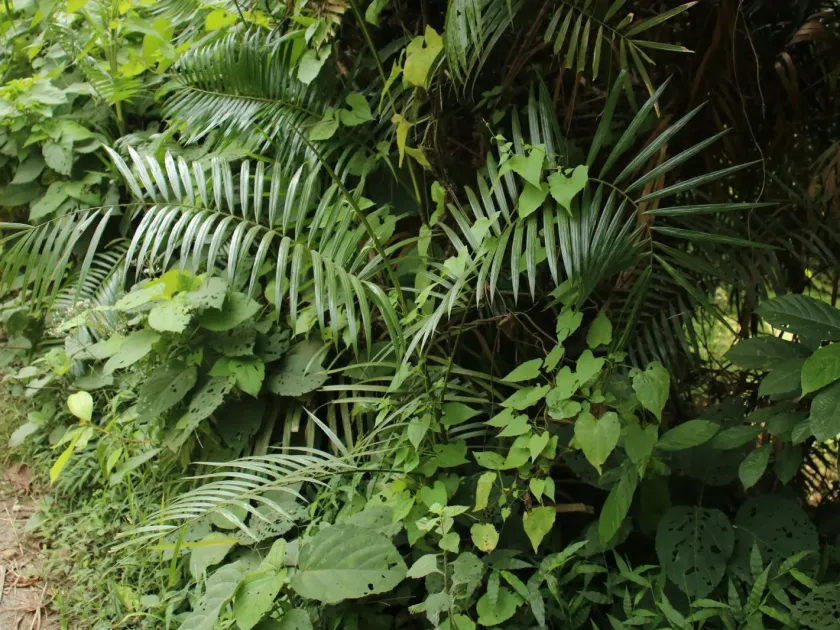
Description
Growing requirements
Calamus tenuis is a species of climbing palm belonging to the Arecaceae family. It is widely recognized as a significant source of rattan, a durable and flexible material used extensively in the furniture and handicrafts industry.
Originating from the tropical regions of South and Southeast Asia, this species thrives in humid, lowland forests. It requires a tropical climate with high annual rainfall and consistent temperatures to achieve optimal growth rates.
The plant grows best in nutrient-rich, well-drained alluvial soils. Because of its climbing nature, Calamus tenuis necessitates vertical support structures, which in nature are provided by neighboring trees and vegetation.
Light management is crucial; while young seedlings benefit from canopy shade, more mature specimens require moderate exposure to diffuse sunlight. Excessive shade can inhibit stem elongation, whereas direct scorching sun can damage the foliage.
Proper agronomic management involves regular maintenance of the plantation, including weed control and the selective pruning of older stalks to promote the development of new, high-quality shoots from the base.
Harvesting
Harvesting of Calamus tenuis involves the selective cutting of mature stems that meet the required diameter and maturity standards. Experienced harvesters use machetes or specialized cutters to ensure the parent clump remains undamaged.
Immediate field processing is mandatory, which involves stripping away the spiny leaf sheaths and cleaning the stem. This reduces the weight for transport and prevents the development of mold and fungi on the raw rattan.
The stems are sorted based on their thickness, length, and surface quality. High-quality rattan is typically uniform, smooth, and free from nodes or insect damage, making it highly valued in the international market.
Drying is a critical step in the post-harvest phase. The stems are typically air-dried in a vertical position to ensure even moisture loss, which increases the material's durability and resistance to warping.
Sustainable harvesting practices ensure that the plant continues to produce new shoots for subsequent years. By allowing for a sufficient recovery period between harvests, plantations can remain productive for decades.