
Solenostemma
Solenostemma
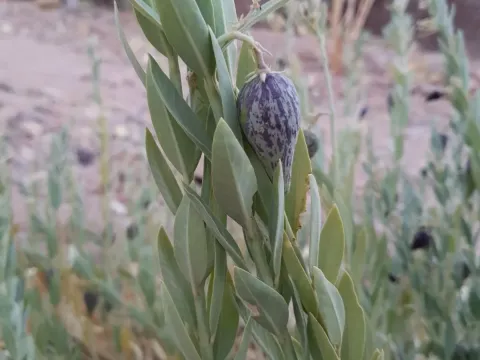
Solenostemma (Solenostemma argel) is a perennial shrub belonging to the Apocynaceae family, native to the arid landscapes of North Africa, Sudan, and the Arabian Peninsula.
What the section contains

Solenostemma
The plant is highly adapted to extreme desert environments, possessing succulent-like characteristics that allow it to retain water in its leaves during prolonged drought periods.
It thrives in sandy, well-drained soils where most traditional agricultural crops fail, requiring very low levels of maintenance in terms of irrigation and soil fertilization.
Sunlight exposure is a critical factor for the development of Solenostemma, as it requires high solar radiation to synthesize the complex secondary metabolites used in medicine.
Cultivation protocols should prioritize a wide spacing between plants to accommodate the extensive root system that seeks deep water sources in harsh soil profiles.
Root rot is the primary threat to the health of Solenostemma, usually triggered by waterlogging or excessive moisture in the rhizosphere during the cold season.
Pests, particularly mites and desert aphids, can colonize the foliage during the peak growing season, leading to decreased photosynthetic capacity and yield.
Fungal infections can occasionally manifest if the plant is grown in areas with high relative humidity or lack of proper ventilation between rows.
Weed competition during the seedling establishment phase is a significant risk that can result in total crop loss if not managed through timely intervention.
Soil-borne nematodes can pose a long-term danger to large-scale plantations if crop rotation cycles are neglected over several consecutive growing years.
Harvesting of Solenostemma leaves is performed manually to ensure only mature leaves, which contain the highest concentration of therapeutic compounds, are selected.
The ideal window for collection occurs during the pre-flowering stage, as metabolic energy is redirected toward seed production once the plant begins to bloom.
Post-harvest processing involves air-drying the leaves in dark, ventilated areas to prevent the degradation of heat-sensitive and light-sensitive phytochemicals.
Proper storage is essential; the dried leaves must be protected from moisture and pests to maintain their potency for subsequent pharmacological processing.
- Best practices: ensure consistent drying temperature, avoid direct sun exposure, and use moisture-proof containers for storage.