
Sarcostemma
Sarcostemma
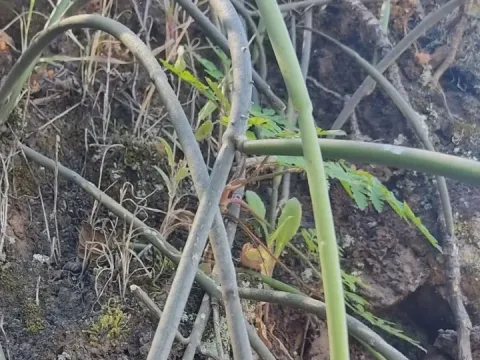
Sarcostemma belongs to the Apocynaceae family. It is a genus of succulent perennial shrubs or vines, widely recognized for their evolutionary adaptation to arid environments.
What the section contains


Sarcostemma
The plant features cylindrical, fleshy, and often leafless stems. This morphology serves as a vital storage system for water, allowing the plant to thrive in regions with sparse rainfall.
For successful growth, this crop requires full sun exposure. Sufficient light intensity is critical for maintaining the structural integrity and succulent nature of the stems.
Soil requirements focus on extreme drainage. Sandy or stony substrates that do not retain water are essential to prevent the accumulation of moisture around the root zone.
Climate conditions must remain tropical or subtropical. Sarcostemma is strictly frost-sensitive and requires consistent warmth to maintain metabolic activity throughout the year.
Mealybugs are the most prevalent pests affecting Sarcostemma. They congregate in stem joints, extracting sap and weakening the plant's structural development.
Root rot is the primary physiological threat caused by overwatering or poor drainage. Once established, rot can rapidly destroy the vascular system of the succulent stems.
Spider mites represent a secondary threat, particularly in greenhouse conditions with low humidity. They can cause surface damage, reducing the plant's ability to photosynthesize effectively.
Aphid infestations are less common but can occur during the active growth phase, specifically targeting the tender, young stem segments.
Effective management requires a strict drying cycle between irrigations and the use of appropriate contact or systemic pesticides when infestations are detected.