
Prestonia acutifolia
Prestonia acutifolia
Description
Growing requirements
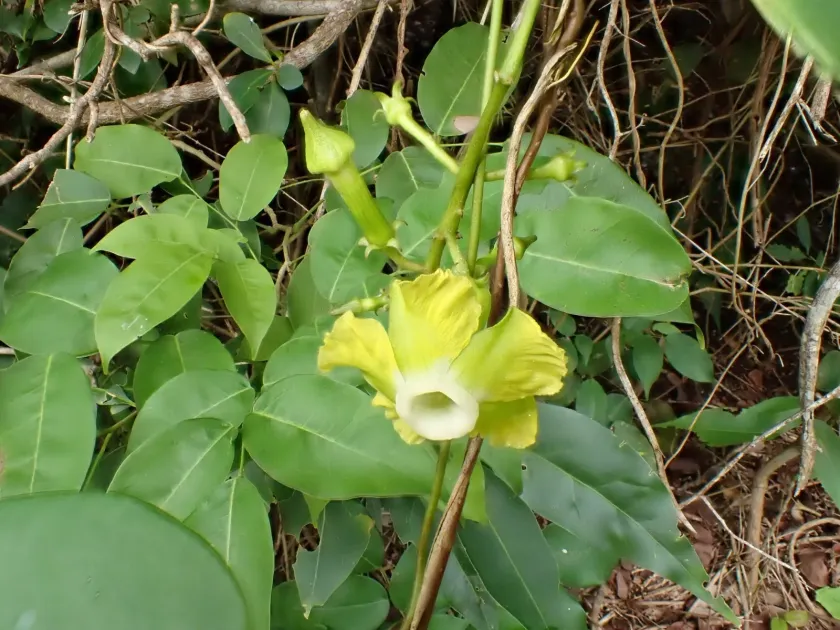
Prestonia acutifolia is a perennial woody vine belonging to the Apocynaceae family. Native to the tropical regions of Central and South America, this species thrives in forest environments where it utilizes larger trees for structural support to reach sunlight.
Botanically, it is characterized by its pointed, lanceolate leaves and inflorescences featuring distinct flowers typical of the dogbane family. The vine's growth habit is aggressive, allowing it to colonize canopy gaps effectively within its native habitat.
For successful cultivation, the plant requires consistent tropical temperatures and high humidity levels. It demands well-drained, nutrient-rich soils that prevent root rot while maintaining sufficient moisture levels throughout the growing season.
Agrotechnical management involves careful regulation of sunlight, as the plant prefers filtered or indirect light over intense, direct tropical sun. Proper irrigation schedules are essential to maintain turgor pressure without saturating the root zone.
The economic and research value of Prestonia acutifolia primarily lies in its secondary metabolites. Scientists study its tissues for the presence of alkaloids that hold significant potential for pharmacological development and potential therapeutic use.
Main diseases and pests
The primary threat to the health of Prestonia acutifolia is fungal infection within the root system, often caused by inadequate drainage. Maintaining a porous soil structure is the most effective preventative measure against soil-borne pathogens.
In terms of pests, spider mites and various aphids can infest the foliage, particularly under stress conditions. Integrated pest management strategies are recommended to keep populations in check without damaging the delicate chemical composition of the plant.