
Prestonia quinquangularis
Prestonia quinquangularis
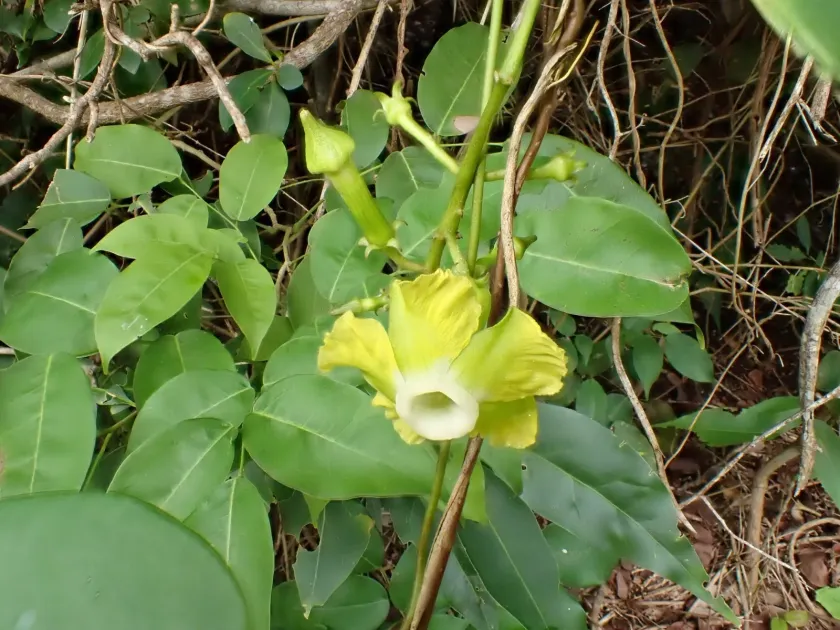
Description
Growing requirements
Prestonia quinquangularis is a woody evergreen vine belonging to the Apocynaceae family. Native to the tropical regions of Central and South America, it thrives in warm, humid environments characteristic of its natural habitat.
The plant requires a tropical climate with high temperatures year-round. It is highly sensitive to cold and frost, which limits its cultivation to greenhouse environments in temperate regions or specific tropical agricultural zones.
It prefers well-drained, fertile soils rich in organic matter. Proper soil aeration is essential to prevent root asphyxiation, as the plant does not tolerate waterlogging in the root zone for extended periods.
Agricultural management requires the installation of support structures such as trellises or wires, as the vine exhibits a vigorous climbing habit. Regular pruning is necessary to maintain the plant's health and control its aggressive spread.
Nutrient management involves balanced fertilization during the growing season. Adequate moisture levels must be maintained through regular irrigation, adjusted based on the stage of plant development and local climate conditions.
Main diseases and pests
Common pests affecting Prestonia quinquangularis include spider mites and mealybugs. These insects can cause significant damage to the leaves and young shoots if left unmanaged during dry weather periods.
Root rot caused by fungal pathogens is the primary disease concern. It is frequently triggered by improper irrigation practices or poor soil drainage, which promotes the development of soil-borne fungi.
Foliar diseases, such as leaf spots, can occur when the plant is kept in conditions with poor air circulation. Providing adequate spacing between individual plants is vital for disease prevention in a nursery or field setting.
Scale insects are another potential threat, often found along the woody stems. Early intervention with horticultural oils or targeted insecticidal applications is recommended to mitigate the impact of infestations.
Integrated pest management (IPM) strategies, including regular monitoring and the use of natural predators, are preferred for sustainable cultivation. Maintaining plant vigor through optimal nutrition helps the vine resist common pressures.