
Prestonia mollis
Prestonia mollis
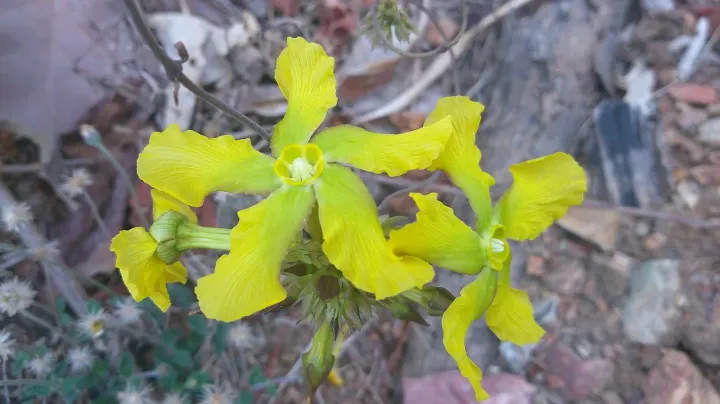
Description
Growing requirements
Prestonia mollis is a woody, climbing plant species belonging to the Apocynaceae family. Native to the tropical regions of South America, it thrives in warm, humid forest environments, demonstrating significant morphological adaptability as a vine.
The climate requirements for this culture are strictly tropical, necessitating consistent temperatures throughout the year. It performs best in environments with high ambient humidity and moderate, diffused light levels, mimicking its native canopy habitat.
In terms of soil, P. mollis demands a substrate that is rich in organic matter and highly porous. Ensuring effective drainage is critical, as the roots are sensitive to waterlogging, which often leads to rapid decline in the health of the plant.
Agricultural management of this crop involves the use of sturdy support structures. Given its vigorous growth habit, pruning is often necessary to control the height of the vines and improve air circulation, which prevents the build-up of excess moisture.
The economic utility of the plant focuses on its potential as a source of diverse secondary metabolites. Ongoing research into its biological properties suggests potential applications in the medicinal and chemical industries, provided that cultivation is standardized.
Main diseases and pests
Typical threats include infestation by common tropical pests, particularly spider mites and mealybugs, which tend to congregate on the underside of the leaves. Regular inspection is essential to maintain plant vigor during the active growing season.
Pathogenic threats are dominated by fungal infections, especially during periods of high humidity or poor ventilation. Root rot is a significant danger if the irrigation schedule does not allow for proper drying of the root zone between watering cycles.