
Pleioceras orientale
Pleioceras orientale
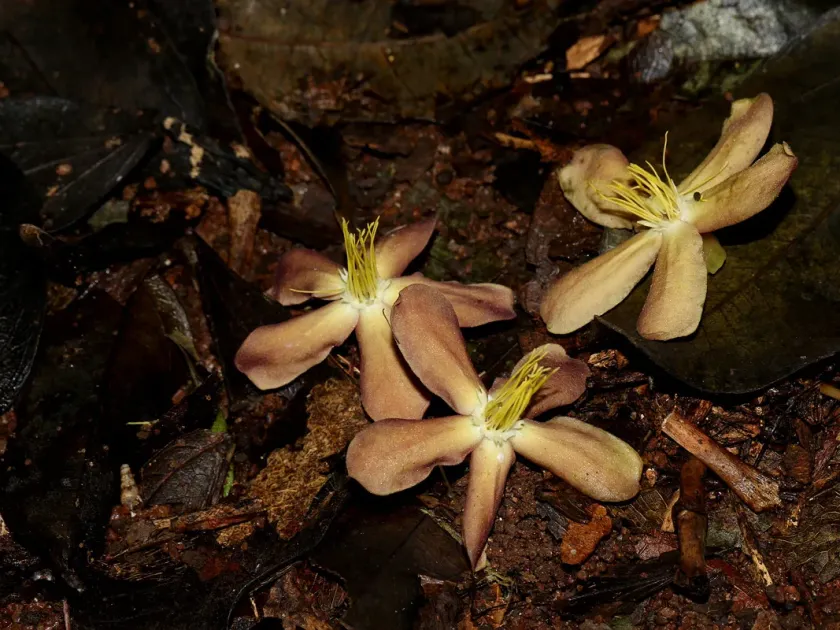
Description
Sowing dates
Pleioceras orientale is an evergreen shrub or tree species belonging to the Apocynaceae family. In its native habitat, the plant requires specific tropical conditions for germination, including consistent high soil moisture and warm temperatures.
For cultivation, it is essential to use a loose, well-draining substrate enriched with organic matter. Seeds should be sown at a shallow depth, as the germination process is highly sensitive to soil oxygen levels.
In controlled greenhouse environments, the optimal sowing period coincides with spring, allowing seedlings to benefit from increasing day length, which promotes healthier initial growth.
The germination period can be extended, requiring steady soil temperatures between 25–28 degrees Celsius. Preventing the substrate surface from drying out is critical for the survival of the emerging sprouts.
Starting the culture in trays allows for precise climate management during the early life stages. Pricking out is recommended once the first two pairs of true leaves emerge to support robust root system development.
Growing requirements
This species has strict temperature requirements as a typical tropical plant. The ideal temperature range for active vegetation is 22–30 degrees Celsius, and exposure below 15 degrees can significantly hinder growth.
Soil quality is paramount; fertile loamy or sandy soils with a neutral pH are preferred. Effective drainage is non-negotiable to prevent root rot caused by stagnant water in the root zone.
High light intensity is necessary for optimal photosynthesis, yet direct midday sunlight should be filtered or shaded to prevent leaf scorching. Greenhouse or conservatory cultivation is standard in non-tropical climates.
Air humidity is a vital environmental factor. Keeping levels between 60–70 percent ensures the plant maintains its physiological balance and prevents foliage deformation.
A balanced fertilization schedule is required, emphasizing nitrogen during the vegetative phase and phosphorus-potassium complexes during the reproductive or flowering stages.
Yield
The economic value of Pleioceras orientale lies primarily in the extraction of alkaloids. Productivity is directly linked to the precision of the cultivation environment and the quality of maintenance provided.
Unlike traditional field crops, the yield is limited by the biological accumulation rate of active substances within plant tissues. Multiple harvests per year are possible in climate-controlled facilities.
Quality outweighs quantity in this sector. Implementing rigorous agrotechnical standards ensures that the plant allocates energy to synthesize secondary metabolites effectively.
Peak biomass yields are typically observed once the plant reaches 3–4 years of age, providing it is mature enough to regenerate effectively after periodic harvesting cuts.
Systemic management of the growth cycle allows for the maximization of target compound concentrations, which remains the primary efficiency metric for this specific crop.
Main diseases and pests
The primary threats to successful cultivation are fungal pathogens caused by excessive humidity or poor air circulation. Root rot remains the most devastating issue as it often remains undetected until significant damage occurs.
Pests, particularly spider mites and mealybugs, represent a major challenge. These sucking insects proliferate quickly in greenhouse settings, severely weakening the plant by draining cell sap.
Prophylaxis involves regular aeration and strict sanitation of all cultivation tools. Chemical treatments should be used selectively and only upon the early identification of infestations.
Improper fertilization may lead to nutrient imbalances that favor the development of harmful microorganisms. Adhering to manufacturer-recommended nutrient dosages is mandatory.
A weekly monitoring routine for foliage and root health is the best approach to detect and mitigate potential threats before they escalate into systemic outbreaks.
Harvesting
Harvesting is performed via careful hand-pruning of stems, which allows the plant to remain healthy and continue its vegetative life cycle. Ideally, harvesting should occur during dry weather conditions.
The timing of the harvest is critical and is determined by the development stage, specifically when the concentration of the target alkaloids is at its maximum potential.
Post-harvest material requires immediate processing to prevent degradation of its biological components. Gentle drying in shaded areas with constant airflow is the industry standard.
Storage of the dried product must occur in airtight containers protected from light and heat, ensuring the longevity and potency of the extracted raw materials.
Further industrial processing must adhere to strict pharmaceutical standards to ensure the purity and safety of the final extract for commercial use.