
Microloma tenuifolium
Microloma tenuifolium
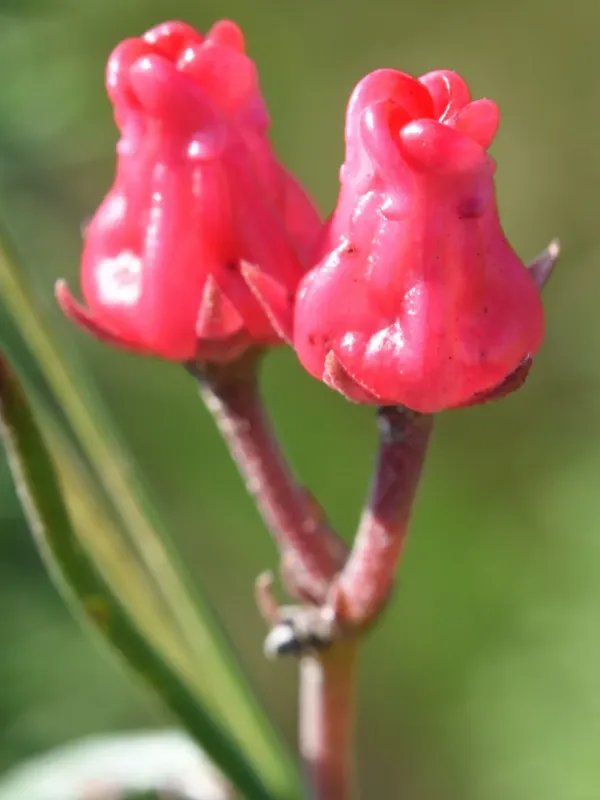
Description
Growing requirements
Microloma tenuifolium is a perennial climbing succulent belonging to the Apocynaceae family. It is endemic to the arid and semi-arid regions of South Africa, where it has evolved to thrive in nutrient-poor, sandy soils under harsh environmental conditions.
The plant is biologically characterized by its slender, twining stems and a prominent tuberous root system. This structure serves as a vital reservoir for moisture and nutrients, enabling the plant to survive extended periods without rainfall in its native habitat.
Cultivation requirements necessitate an extremely well-draining substrate, such as a mix of pumice, coarse sand, and a small amount of organic matter. Proper aeration of the root zone is mandatory to prevent the physiological collapse of the plant due to hypoxia.
The climate regime must mimic Mediterranean or desert environments, with high light intensity and distinct seasonal cycles. In greenhouse settings, it requires high levels of solar radiation and moderate daytime temperatures between 20°C and 28°C.
Strategic irrigation is the cornerstone of its agronomy. During the active growing season, watering should be thorough but infrequent, allowing the soil to dry out completely. During winter, watering must be suspended to respect the plant's natural dormancy phase.
Main diseases and pests
The most significant threat to Microloma tenuifolium is root rot caused by waterlogged soil conditions. Fungal pathogens, such as Pythium and Phytophthora, proliferate in stagnant moisture and can cause rapid necrosis of the tuber.
Pests like spider mites and mealybugs are primary concerns in indoor cultivation. These pests thrive in dry conditions and can cause severe damage to the delicate stems and leaves, eventually stunting the plant's growth.
Mealybugs are particularly difficult to eradicate due to their waxy protective coating. Integrated pest management, involving the use of systemic insecticides or biological control agents, is recommended to mitigate the risk of infestation.
Lack of proper air circulation exacerbates the risk of both pest outbreaks and bacterial leaf spot infections. A gentle breeze or a small fan in the cultivation area is necessary to prevent the buildup of stagnant microclimates.
Finally, incorrect soil pH levels can interfere with nutrient uptake, leading to chlorosis. Maintaining a slightly acidic to neutral pH is generally considered optimal for the sustained health of this unique succulent species.