
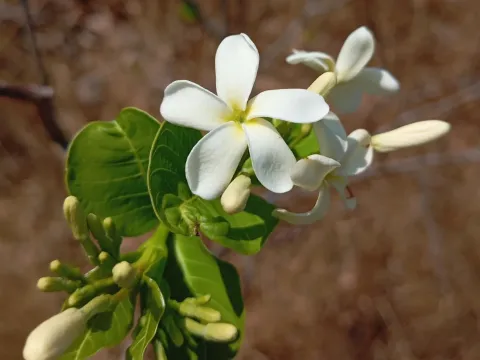
Holarrhena
Holarrhena R. Br.
Holarrhena, a genus within the Apocynaceae family, is typically propagated from seeds in controlled nursery environments. The soil for sowing must be light, well-draining, and rich in organic matter to ensure successful germination and early development of the seedlings.
What the section contains

Holarrhena
The optimal sowing time in tropical climates coincides with the beginning of the rainy season. Pre-treating seeds by soaking them in water for several hours can significantly improve germination rates and uniformity of emergence.
Seeds are sown at a depth of about 1 to 2 centimeters. Keeping the seedbed moist, but not waterlogged, is crucial during the first two weeks as the radicles emerge and establish initial contact with the substrate.
Once seedlings develop their first true leaves, they are transferred to individual pots or prepared nursery beds. Adequate spacing is essential to ensure that each plant receives enough light and air circulation, preventing the damping-off that often affects young saplings.
Propagation through semi-hardwood cuttings is also a viable method. These cuttings are treated with rooting hormones and maintained in high-humidity conditions to stimulate the development of a healthy root system before being moved to the field.
As a sun-loving plant, Holarrhena thrives in areas with full, direct sunlight. Insufficient light leads to weak, elongated growth and a reduced concentration of beneficial alkaloids, which are the primary focus for its commercial cultivation.
The crop requires fertile, well-draining soil with a slightly acidic to neutral pH. Sandy loam soils are generally preferred, as they prevent the water stagnation that can lead to root rot, the most significant threat to the plant's health.
The temperature range for optimal growth is between 20°C and 35°C. Holarrhena is not frost-tolerant, meaning it must be cultivated in frost-free tropical or subtropical regions or kept in climate-controlled environments in cooler climates.
Regular irrigation is necessary, particularly during the dry season. However, the soil surface should be allowed to dry slightly between watering sessions to ensure that the roots receive sufficient oxygen and to discourage fungal pathogens.
Applying balanced organic fertilizers during the active growth phase helps promote vigorous vegetative development. Controlled nutrient management is key to producing high-quality plant material suitable for pharmaceutical use.
Fungal pathogens pose the greatest risk to Holarrhena plantations, especially in regions with high humidity. Soil-borne fungi causing root and collar rot can spread rapidly, leading to significant crop loss if not managed early.
Pests such as aphids, mealybugs, and scale insects frequently infest the tender leaves and shoots. These pests cause damage by sucking sap, which weakens the plant and can lead to the transmission of secondary viral or bacterial infections.
Integrated pest management, including the use of neem-based insecticides and biological control agents, is highly recommended to maintain plant health without compromising the chemical quality of the harvested materials.
Sanitation is vital in controlling diseases. Regularly removing and destroying dead or decaying plant parts prevents the buildup of inoculums in the field and helps maintain an optimal microclimate within the plantation.
Monitoring the plantation for early signs of stress or infestation allows for targeted intervention, minimizing the need for heavy chemical applications and protecting the overall health of the agricultural site.
The harvesting of Holarrhena bark is performed on mature, healthy trees, usually between 4 and 6 years of age. Stripping should be done carefully to ensure the tree's survival, focusing on areas that allow for regeneration.
Seed collection occurs when the follicles turn brown and begin to split. Collectors must be prompt, as the seeds are wind-dispersed; using protective covers around the seed pods can help capture seeds and minimize loss during the ripening phase.
Drying is a critical post-harvest step. The material should be spread in thin layers in a shaded, well-ventilated area to prevent fermentation or mold growth, which could degrade the active medicinal compounds.
Once dry, the raw material must be stored in cool, dark, and dry conditions. Moisture control is essential during storage to ensure the long-term stability and potency of the phytochemical constituents.
Proper record-keeping during the harvest, including dates and tree conditions, assists in managing the sustainable use of the resource and improves future yields by identifying the most productive individual plants.