
Holarrhena pubescens
Holarrhena pubescens Wall. ex G.Don
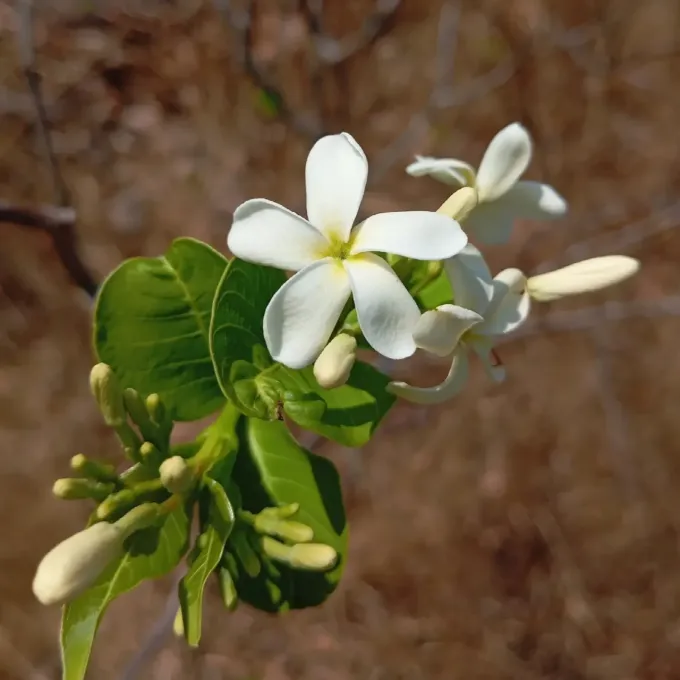
Description
Growing requirements
Holarrhena pubescens, a prominent member of the Apocynaceae family, is a deciduous shrub or small tree widely recognized for its medicinal value. It is native to the tropical regions of the Indian subcontinent and parts of Southeast Asia.
The plant thrives in well-drained, sandy loam soils with moderate fertility. While it is hardy and capable of surviving in varied environments, it grows most vigorously in regions with a distinct tropical monsoon climate, receiving ample sunlight and warmth.
Optimal growth conditions require mean temperatures ranging from 25°C to 35°C throughout the year. Holarrhena pubescens is highly susceptible to frost, limiting its commercial cultivation to frost-free tropical and subtropical zones.
Agronomic management involves spacing plants adequately to ensure good air circulation. Regular pruning is often conducted to maintain the plant's shape and to facilitate the harvesting of bark, which is the primary source of medicinally active alkaloids.
Economic importance of this crop is rooted in the pharmaceutical industry. Its bark and seeds are rich in conessine and other alkaloids, used extensively in traditional Ayurvedic medicine for treating dysentery, fevers, and various intestinal disorders.
Main diseases and pests
Powdery mildew is a significant fungal threat, particularly during periods of high humidity. It manifests as a white, dusty coating on the leaves, which can be managed by improving ventilation and using sulfur-based fungicides.
Root rot is often the result of waterlogged soil conditions. Ensuring a robust drainage system is vital for preventing soil-borne pathogens from attacking the root system, which can lead to the rapid decline of mature trees.
Various defoliating insects pose a threat during the active growing season. Integrated pest management strategies, including the use of neem-based sprays and attracting natural predators, are recommended to maintain plant health.
Nematode infestations can occur in sandy soils, hindering nutrient uptake. Incorporating organic matter and specific cover crops into the soil profile helps suppress nematode populations and enhances overall soil biological activity.
Invasive weeds can compete with young Holarrhena pubescens plants for water and nutrients. Maintaining a clean cultivation area through mulching and periodic weeding is essential during the establishment phase of the plantation.