
Himatanthus phagedaenicus
Himatanthus phagedaenicus
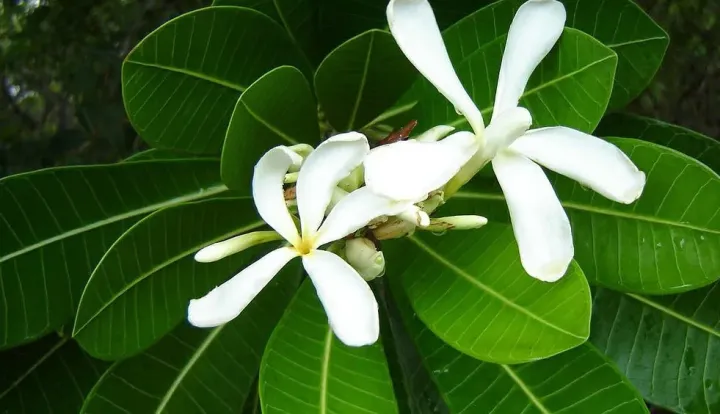
Description
Growing requirements
Himatanthus phagedaenicus is a notable plant species belonging to the Apocynaceae family. It is native to the tropical regions of South America, typically found in the humid environments of the Amazon basin.
The plant thrives in well-drained, fertile soils that are rich in organic matter. Proper soil structure is essential, as waterlogging can cause root decay and significantly stunt the plant's development.
Climate requirements include consistently warm temperatures, as the species is highly sensitive to cold and frost. It requires a tropical climate with high humidity to maintain active metabolic processes throughout the year.
Light intensity plays a crucial role in the development of Himatanthus phagedaenicus. While young plants may tolerate partial shade, mature specimens require full exposure to sunlight to reach their full potential.
Agricultural management requires a disciplined approach to irrigation and fertilization. Balanced nutrient application ensures healthy canopy growth and increases the accumulation of secondary metabolites in the bark.
Yield
The primary economic value of this species lies in its medicinal properties. The bark and the extracted latex are highly valued for their anthelmintic and anti-inflammatory qualities in traditional medicine.
Industrial utilization focuses on the processing of phytochemicals extracted from the stem bark. Research into these compounds continues to expand, increasing the demand for sustainably grown material.
Harvesting strategies involve systematic barking and latex collection. These processes must be performed carefully to avoid killing the tree, ensuring that it remains productive over several harvesting cycles.
The yield of active compounds is heavily influenced by the environmental conditions of the plantation site. Factors such as soil pH and nutrient availability are continuously monitored to maximize production.
The commercial cultivation of Himatanthus phagedaenicus is becoming an increasingly important sector for herbal supplement companies looking for standardized sources of raw plant materials.
Main diseases and pests
Fungal infections are the most common threat to plantation health, especially during periods of excessive rainfall. These pathogens can cause root rot and stem lesions that degrade the quality of the raw material.
Insects like scale insects and aphids are frequent pests that infest the leaves and stems. These pests can transmit viral diseases in addition to causing direct physical damage to the plant tissue.
Integrated Pest Management (IPM) is recommended to control populations of harmful insects without relying exclusively on harsh chemicals. This preserves the quality of the medicinal bark and latex.
Weed control is essential, particularly during the first few years of the plantation. Invasive grasses and shrubs compete with the young trees for water, nutrients, and sunlight, often leading to reduced growth rates.
Proper pruning and sanitation practices are vital to minimize the spread of diseases. All tools used for maintenance must be disinfected after each use to protect the health of the entire crop.