
Elytropus chilensis
Elytropus chilensis
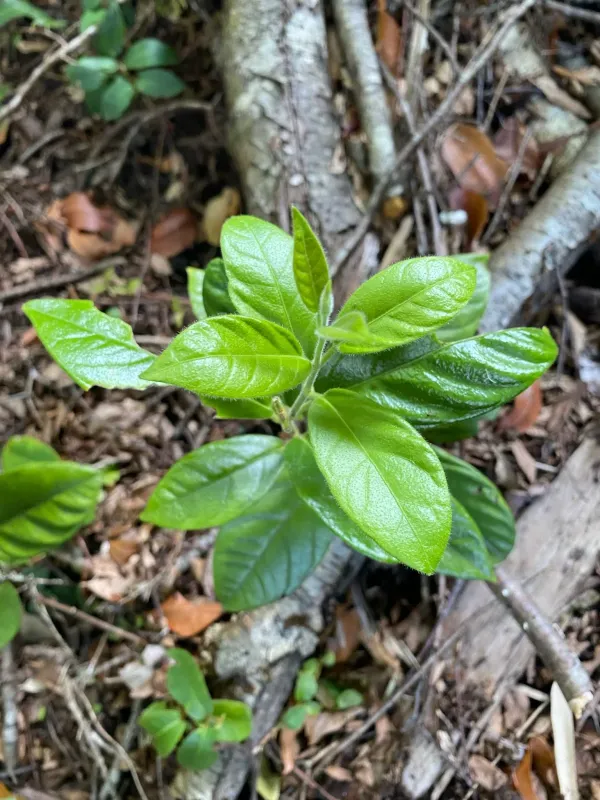
Description
Growing requirements
Elytropus chilensis is an evergreen woody vine belonging to the Apocynaceae family. It is a rare species native to the temperate rainforests of Chile and parts of Argentina, where it occupies the understory of forest ecosystems.
The plant demands a specific climate characterized by high atmospheric humidity and mild temperatures. It is highly sensitive to extreme heat and prolonged direct sunlight, making partial shade an essential requirement for its successful growth in cultivation.
Soil composition should be rich in organic matter, loose, and well-draining. The root system is delicate and prone to damage if the substrate remains waterlogged for extended periods, so irrigation must be managed with precision.
As a climbing plant, Elytropus chilensis requires structural support such as trellises or neighboring woody plants to reach maturity. Its vining habit allows it to seek out filtered light, reflecting its evolutionary adaptation to forest gaps.
Growth is generally slow, and the plant requires consistent moisture throughout the growing season. In indoor or greenhouse settings, maintaining a balance between high air humidity and adequate ventilation is key to preventing physiological stress.
Main diseases and pests
The primary threats to Elytropus chilensis are root-borne fungal diseases, usually triggered by poor drainage or excessive watering. Once the root system is compromised, the plant shows rapid decline, including wilting and chlorosis.
Pests such as spider mites and scale insects are common in restricted growing environments. These pests thrive in dry air, so misting the foliage or maintaining high humidity levels is an effective preventative measure against infestations.
Environmental fluctuations, such as sudden drops in temperature or exposure to cold drafts, can cause significant damage to the plant. It is essential to protect the vine from harsh weather conditions that are outside its natural ecological niche.
Viral infections can lead to foliage deformity, which weakens the plant and reduces its ornamental value. Sanitation practices, such as sterilizing pruning tools and removing affected plant parts, are vital for disease control.
Due to its niche status, information on specific agricultural pathogens is limited, necessitating a cautious approach to chemical treatments. Integrated pest management using organic alternatives is recommended to avoid chemical burns on the leaves.